Tag: CameraKart

  • How to Safely Sell High-Value Cameras Online in India

    How to Safely Sell High-Value Cameras Online in India

    Selling a camera of high value online can be profitable, but only if it’s done in a secure manner. Professional DSLRs as well as mirrorless cameras, cinema cameras and action cameras all have an impressive resale potential in India. But, many sellers are concerned about scams, low-ball offers and unsafe payment methods, as well as fraudulent buyers.

    If you’re contemplating to trade in your camera,sell your camera, sell old camera online, or sell DSLR online in India, this guide will assist you in understanding how you can safeguard your money as well as your equipment and the peace of your mind.

    Why cameras with high value require More Care when selling

    The most expensive cameras are sought-after by serious buyers, but they also attract fraudsters. The pricey equipment such as full-frame DSLRs and mirrorless bodies, video cameras and GoPros require a more cautious selling strategy than ordinary devices.

    The reason sellers who are looking to sell video camera online, GoPro sell online, or sell action camera online should focus on security first, not only speed.

    1. Preparing your camera professionally

    Before you list your camera, be sure it works and appears as it is supposed to.

    What should I do?

    • Clean the camera’s lens and body thoroughly
    • Ports, check buttons and Check button screens autofocus, video
    • Collect the necessary accessories (battery charger, battery or box, if they are available)
    • Pay attention to important details such as shutter count and the condition

    A camera that is well-prepared builds trust and decreases the need for negotiation.

    2. Select an Authentic Platform (Most Vital Step)

    Avoid random classifieds and unreliable websites when selling equipment of high value. Common platforms can cause:

    • Fake Payment screenshots
    • Unsafe meet-ups
    • Never-ending bargaining

    A market that is focused on photography is more secure.
    Platforms like CameraKart connect sellers to authentic buyers of cameras who appreciate the importance of equipment that is professional.

    This is especially helpful for those who want to:

    • Sell old camera India
    • Sell my old camera safely
    • Reach verified photography buyers

    Step 3. Create an accurate and complete listing

    Transparency can help you avoid disputes.

    Your listing should clearly say:

    • Model and model of the camera, as well as brand
    • Actual state (scratches wear, scratches or repairs, if there are there are any)
    • Accessories are included
    • Usage type (weddings, studio, vlogging, casual)

    Honest listings can attract serious buyers and avoid problems at the last minute.

    Step 4 Pricing It Smartly (Not emotionally)

    Many sellers are unable to make money due to pricing too high or underpricing.

    Smart pricing tips

    • Review the latest market prices
    • Compare similar listings
    • Condition and any accessories
    • Give space to negotiate

    Fair pricing means quicker sales and fewer buyer skeptics.

    5. Utilize only secure payment methods

    When you are dealing with cameras that cost a lot the security of payments is essential.

    Always

    • Make sure you use a verified bank transfer, or UPI
    • Verify payment prior to sending or handing over equipment
    • Keep payment proof

    Avoid

    • Partially paid
    • Scams with overpayment
    • The request to change to unidentified applications

    If you’re meeting in person to sell camera near me for cash, choose a public place and make sure you confirm the payment.

    6. Handle Shipping and meetups Be careful

    For shipping

    • Make sure to use sturdy packaging
    • Include padding and protect
    • Insure high-value shipments
    • Share tracking details

    Local meetings

    • Find a place to meet in public, well-lit spaces
    • Avoid home addresses
    • Have a buddy with you if you’re in need

    Safety is the most important thing.

    7. Only communicate through the Platform

    Make sure conversations are kept within the selling platform as much as feasible. This will help:

    • Keep a record of communications
    • Beware of fake buyers who will redirect you to frauds
    • The rights of the seller must be protected

    Trusted platforms help reduce risk automatically.

    Why CameraKart is the best choice for high-value Cameras

    CameraKart is specially designed for buyers and sellers of cameras which makes it perfect for equipment that is expensive.

    Benefits

    • People who are interested in photography
    • Better resale value
    • Fewer false inquiries
    • Securer communication
    • Faster deals

    If you’re looking to sell a camera, sell DSLR online, or sell your camera without stress, an established marketplace makes an enormous difference.

    Last Thoughts

    Selling high-end cameras online in India does not have to be risky. If you’re prepared with authentic listings, secure payment and a reliable platform You can sell with confidence and receive the value the equipment you purchased deserves.

    If you’re planning to sell old camera online, sell video camera online, or sell your camera safely and offer your cameras in a safe manner by using a photography-focused platform such as CameraKart is the most effective choice.

  • How Depreciation Works in Cameras And How to Avoid Losing Money

    How Depreciation Works in Cameras And How to Avoid Losing Money

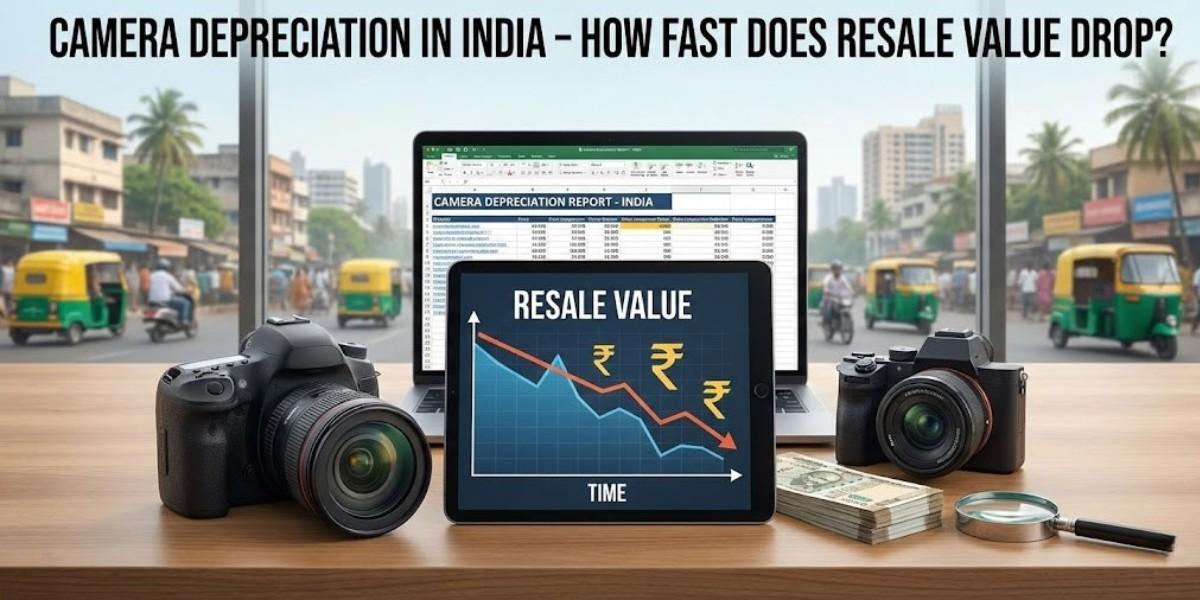
    Camera equipment is thrilling to purchase, but like all technologies is devalued as time passes. The loss of value known as photography equipment depreciation. No matter if you’re an experienced photographer or content writer or just a casual hobbyist, knowing the process of depreciation for cameras can help you make better purchasing and selling decisions, and prevent loss of money.

    In this article we’ll explain the process of depreciating cameras into simple terms as well as explain how to depreciate, as well as demonstrate how you can minimize losses by selling at the appropriate time with trusted platforms such as CameraKart.

    What is Camera Depreciation?

    Camera depreciation life is the amount of value a camera will lose when it gets older and utilized. Cameras are classified as capital assets and they lose value gradually because of:

    • New model launches
    • Wear and tear
    • Technology advancements
    • Reduced market demand

    As time passes, your equipment will become depreciated photography equipment even though it is still working flawlessly.

    The useful life of a Camera

    The useful life of a camera depends on the use and the type of camera:

    • Cameras for entry-level use: 3-5 years
    • Professional cameras 5 years or more
    • Lenses range from 8 to 15 years (depreciate faster)

    This can affect both the value of resales and depreciation in accounting.

    Common Methods for Depreciating Cameras (Explained In Simple Terms)

    If you are using your camera for business purposes, depreciation can be measured in writing.

    1. Straight-Line Depreciation

    This method distributes costs evenly throughout the life of the camera.

    Example:
    Original cost: Rs.10,00,000.
    Life expectancy 5 Years
    Depreciation annually of $20,000

    Simple and widely utilized.

    2. Double Declining Depreciation

    This technique degrades the camera more quickly in the beginning.

    It is used to:

    • Technology is quickly outdated
    • New models are launched often

    This is due to the fact that cameras are less valuable in the first 2 years.

    3. units of production depreciation

    The method relies upon usage (like shutter counts).

    Example:

    • Shutter-based depreciation
    • Ideal for heavy-duty professional use

    It closely mirrors real-world camera wear.

    Key Terms of Depreciation You Must Be Educated About

    • The original cost – What you incurred at the beginning
    • Salvage price Value to be expected at the end of a useful life
    • Book value – Original cost minus depreciation
    • Depreciable equipment for photography Equipment used to earn income

    These terms will help you understand the real value of a camera in the long run.

    Is Photography Equipment Depreciable for Business?

    Yes. Is photography equipment depreciable? 

    If the camera is being employed for business or professional reasons, depreciation could be applicable according toIRS depreciation rules and local tax laws.

    This is part of:

    • Business use depreciation
    • Fixed Asset Management
    • Tracking depreciation

    Many professionals utilize the fixed asset management platform or depreciation tracking solution like AssetPanda platform for managing camera equipment.

    How to Calculate the Depreciation of Cameras (Quick method)

    To track depreciation manually:

    1. Note the original cost
    2. Estimate useful life
    3. Subtract the expected salvage value
    4. Divide the remaining value over the course of the course of

    However, the value of resales on the market is often lower than that of depreciation in accounting.

    How to avoid losing money on camera depreciation

    Here’s how skilled photographers can reduce loss:

    1. Sell before a major drop in value

    Cameras are most valuable over the first two years. Selling prior to a new model is launched helps to protect its resale value.

    2. Make sure your gear is well maintained

    Good condition slows depreciation:

    • Make sure you clean frequently
    • Guard against the elements
    • Do not make repairs that aren’t necessary.

    3. Store boxes and other items

    Original packaging boosts confidence in resales and also the price.

    4. Monitor Demand for Markets

    Mirrorless developments and video features impact the speed of resales. Stay informed.

    5. Sell on the right Platform

    A market that is geared towards photography such as CameraKart can help you obtain an honest market price from buyers who are aware of the value of their camera, and can help reduce losses due to depreciation.

    Depreciation vs Real Resale Value

    Resale value and accounting depreciation are not the same thing.

    • Accounting: Predictable, slow
    • Market value: Demand-driven, fast-changing

    Knowing these two aspects will help you determine  when to sell instead of storing gear for too long.

    The Final Words

    Camera depreciation is inevitable. However, losing money isn’t. If you are aware of the methods used to depreciate, monitoring the value of your equipment, keeping it in good condition, and selling it at the right moment, you can safeguard your investment.

    The equipment you use for photography should benefit you, not drain your cash. A good timing strategy and a suitable selling platform can make all the difference.

  • 5 Things That Instantly Increase Your Camera’s Resale Value

    5 Things That Instantly Increase Your Camera’s Resale Value

    If you’re looking to sell your camera, some clever actions can make a huge difference in the amount you can get. A lot of sellers lose value not because their cameras are old, but because they don’t set it up correctly. The positive side? You can instantly increase your camera’s resale value using simple, easy actions.

    Here are 5 proven things that can attract buyers and can help you sell faster and at a more attractive price.

    1. Always keep the box in order and original items

    One of the most effective ways to increase the value of resales is to always keep the box.

    Buyers are more confident in listings when they look at:

    • Original box
    • Manuals
    • Cables and chargers
    • A warranty card (if available)

    Original packaging signals good care and improves buyer confidence especially on second-hand marketplaces and online auction sites.

    2. Guard Your Kit and Make It In Good nick

    The condition of the camera directly affects pricing. Buyers must carefully inspect the condition of their cameras prior to making offers.

    Protect your kit

    • Make use of lenses and bags for your camera.
    • Avoid exposure to dust and moisture.
    • Carefully handle lenses

    Get your kits clean prior to selling

    • Cleanse lens and body gently
    • Clean LCD screen
    • Clean up dust off buttons and the mounts

    A camera that is clean and well-maintained is always more expensive than one that is dirty and has similar specifications.

    3. Be Honest about the condition of your shutter and how often it is wiped

    Honest advertising creates trust, and trust leads to more attractive offers.

    The description of your listing should state:

    • Camera condition
    • Any marks or scratches
    • Shutter actuations (very crucial for DSLRs)
    • Functional performance

    Transparency of sellers reduces bargaining and draws serious buyers instead of wasting time.

    4. Include useful extras that add Value

    Small additions can dramatically enhance the value you get from your investment without a huge expense to you.

    Extras that are highly appreciated include:

    • Memory cards
    • Extra batteries
    • UV filters
    • Polarising filters
    • Lens caps or caps for lenses or

    These tools allow buyers to begin using the camera as soon as they arrive which makes your listing more attractive than comparable listings.

    5. Use high quality photos and the right selling platform

    Create high-quality images

    The quality of the photos is as important as the actual product.

    Tips:

    • Photograph in natural light
    • Display front and back screen, and other accessories
    • Capture close-ups of the condition

    The place to sell it is crucial.

    Avoid selling to random social media groups with low levels of trust. Instead, look for trustworthy platforms specifically designed for those who purchase cameras.

    A marketplace that is focused on photography such as CameraKart lets you connect with genuine buyers who appreciate the value of cameras, making it easier to obtain reasonable prices.

    Secure Selling: Packaging, Payment and Proof

    To safeguard your investment and your reputation:

    • Make use of secure payment methods (PayPal or verified transfers or secure cash payment)
    • Make sure to pack it properly with Bubble wrap and a sturdy box
    • Keep proof of sale along with shipping information

    A good postage and packaging system can protect against damage and post-sale disputes.

    Post-Sale Responsibilities Matter Too

    Professional sellers do not disappear after they sell. Communication and support that is clear and simple (like answering questions about setup) enhance the reputation of sellers and aid in future sales.

    The Final Words

    Making your camera more resale-worthy does not require luck. It’s just a matter of pre-planning.
    By keeping the camera in its box, keeping your camera clean and protected and being truthful, incorporating accessories, and selling via the appropriate platform it is possible to instantly raise buyer interest and pricing.

    If you’re looking for an easy, dependable selling experience and dedicated buyers CameraKart is among the top locations to sell your camera without hesitation.

  • How Selling Old Cameras Reduces E-Waste

    How Selling Old Cameras Reduces E-Waste

    Electronic waste, also known as e-waste, is among the environmental issues that is growing fastest around the globe. From smartphones to laptops to cameras millions of electronic gadgets are discarded each year. The cameras that were once used are often left unloved in drawers, or worse yet, being thrown into garbage dumps. However, there’s an easy and effective way to deal with this problem: selling old cameras instead of throwing them away.

    Reusing or selling camera equipment aids in reduce e-waste and promotes sustainability and encourages responsible consumption. Let’s consider how this small act can have a huge environmental impact.

    What is E-Waste? And Why is it a Problem?

    E-waste is the term used to describe electronic items like batteries, cameras circuit boards, batteries, and accessories. They are often filled with hazardous materials and toxic substances like mercury, lead and cadmium.

    If it is not properly handled If not properly handled, electronic waste disposal may:

    • Pollute water and soil
    • Human health and wildlife are at risk
    • The pressure on landfills will increase.

    This is why sustainable e-waste management is crucial today.

    Selling Old Cameras Helps Reduce E-Waste

    If you decide to sell your camera, instead of disposing of it you directly aid in:

    1. Extend the Life of Devices

    Selling permits cameras to be used again by a different photographer. This can help extend device life, decrease the need for new manufacturing and help conserve natural resources.

    2. Help to support the Circular Economy

    The circular economy is based on repair, reuse and recycling. Selling cameras allows them to stay in service for longer, which reduces consumption and helps to create an environment where the electronics are refurbished rather than being replaced.

    Re-use, Refurbishment and Reuse Issues

    Many older cameras work flawlessly or require only minor repairs. Through refurbish devices programmes and secondhand marketplaces cameras are tested, cleaned and then re-used.

    This is the process:

    • Reduces environmental impact
    • Conserves energy needed to make new devices.
    • Encourages second-hand electronics adoption

    Responsible Recycling of non-useful cameras

    If cameras are not functional anymore, selling it via the appropriate channels will result in responsible recycling instead of disposal.

    Certified recyclers manage:

    • Battery recycling
    • The safe removal of toxic substances
    • Precious metals recycling through resource recovery

    This reduces pressure on mining and also reduces pollution.

    Why throwing Cameras into Landfills is dangerous

    When cameras go to landfills:

    • Toxic substances get absorbed into the soil
    • Metals that are valuable will be lost forever.
    • The efforts to reduce the amount of landfills that are made do not work

    Proper e-waste collection and resale can help stop the damage.

    Selling Old Cameras Is Better Than Informal Disposal

    Many people sell or dispose of electronics without ever thinking about data safety or environmental damage. 

    Selling on trusted platforms guarantees:

    • Secure handling
    • Recycle or resell in a safe way
    • Ethical processing

    This helps to increase consumer awareness of sustainable lifestyles.

    What Online Platforms Can Do to Make Sustainable Selling a Piece of Cake

    Modern platforms have made it simple to sell electronics safely. A market that focuses on photography such as CameraKart lets users sell their old cameras in a fair and safe manner.

    Benefits include:

    • Fair pricing
    • Genuine buyers
    • Reuse in place of garbage
    • Contribution to green technology goals

    Selling through these platforms allows green choices and is easy to do without any need for extra effort.

    Recycle and Upcycling

    A few old cameras are utilized to:

    • Educational tools
    • Art projects
    • Collectibles

    This upcycling keeps electronics from being thrown away and provides them with a new purpose.

    The role of certified recyclers in addition to Green Tech

    Organisations such as Attero e-waste solutions focus on large-scale recycling, secure disposal, and recovery of metal. When cameras cannot be reused, certified recyclers guarantee the environmental sustainability of their processing.

    This is the area where green tech is crucial in making recycling safer, cleaner as well as more effective.

    Small Action, Big Impact

    Selling a camera that is no longer in use may seem like a small thing, but its impact is massive:

    • Reduced E-waste
    • Minimized environmental destruction
    • Improved resource utilization
    • Future that is more sustainable

    Every resale helps to create better ecosystems and cleaner cities.

    The Final Words

    Selling old cameras isn’t just about making money. It’s about accountability. When you choose to reuse, sell, or recycle your old camera in a responsible manner it helps reduce e-waste and encourage sustainable practices and safeguard the environment.

    If you’re looking to sell your camera equipment, think about selling it on reliable platforms such as CameraKart. It’s a straightforward process that can benefit both you and the planet.

  • How Much Is My Camera Worth Today?

    How Much Is My Camera Worth Today?

    If you’ve ever looked at your old camera and wondered, “How much is my camera worth today?” you’re not alone. Whether you own old cameras, a DSLR, a mirrorless body, a video camera, or even an action camera, knowing the camera value before selling helps you avoid underselling and make smart decisions.

    In this guide, we’ll walk you through how to find the value of old cameras, what factors matter most, and how to prepare your gear to get the best resale value in today’s market.

    Start with Model and Brand

    The first step to determine camera worth is to identify the brand and model. The most well-known brands such as Canon, Nikon, Sony, Fujifilm, Panasonic, and Leica generally have greater value because of the demand and the availability of lenses and services.

    Professional models that are popular keep a higher resale value even though discontinued models can decrease in value faster, especially with rapid technology updates.

    Take into consideration the age of cameras as well as market trends

    Camera age plays a significant role however, it’s not the only factor. Certain older cameras sell very well if they’re reliable, built well, or sought-after.

    Important things to think about:

    • Does the model remain supported with repairs or accessories?
    • Is there a newer version of it?
    • Is there a renewed interest in the market due to current new trends (like the revival of analog)?

    The current market trends such as the transition from DSLR to mirrorless, also impact pricing. Many photographers sell old DSLR camera to upgrade their equipment, which boosts supply and reduces the resale value.

    Check Camera Condition Carefully

    Condition is usually more important than age. Buyers must be aware of:

    • Wear and tear on the body
    • Dial and button responsiveness
    • Touchscreen screen LCD and swivel-screen condition
    • Image quality and sensor cleanliness

    A camera that is in good condition is likely to fetch higher than a similar model that has heavy wear.

    Documentation and accessories increase Value

    The addition of accessories can significantly increase the resale value. Buyers love:

    • Original charger battery as well as the original battery
    • Lens caps and camera straps
    • Manuals
    • Original box

    In the event that you’ve got purchase receipts or documents, it helps build confidence. For vintage or collectible cameras document provenance (ownership of the camera’s history) will increase the value of your camera.

    Rare and Historical Significance

    Certain cameras are worth buying because they’re scarce or historically significant. Special productions of models, discontinuous versions or cameras that are tied to historical photographic events fall under vintage camera valuation.

    Collectors typically seek out:

    • Unique serial numbers
    • Early models of production
    • Mechanical film cameras working in excellent in good working

    In these cases the value of a product isn’t only about the usability of the product, it’s also about collecting.

    Research Using Online Marketplaces

    One of the most efficient methods to determine value is to look at online marketplaces.

    Some of the most well-known platforms comprise:

    • eBay (check for sold listings (not asking prices)
    • Etsy (useful for old as well as collectible cameras)
    • Specialized camera auction sites

    These platforms provide information on what buyers are paying for today.

    Make use of Camera Price Guides as well as Databases

    For more information, refer to price guides for cameras and databases like:

    • The Price of McKeown’s Guide
    • Blue Book of Cameras
    • Online camera databases

    These are particularly useful for collectible or vintage cameras and assist in establishing an accurate value range.

    Explore Photography Forums and Experts Local to You

    Forums and communities for photography are great forums to ask questions and to compare prices. People who have been in the business for a while often share information on trends in resales and demand.

    Also go to:

    • Cameras in the local Camera stores
    • Antique shops (for vintage models)
    • An Professional appraisal for high-value or rare cameras

    These options give more accurate prices when online data is not available.

    Make Your Camera Ready for Maximum Value

    Before you sell your camera, take steps to maximize camera value:

    • Cleanse the camera’s body and lens with care
    • Keep original packaging in case it is available
    • Identification of the serial number on documents
    • Make clear, high-quality photographs
    • Be truthful about the condition

    Well-presented and attractive equipment always draws higher prices.

    What to sell Following Valuation

    Once you have a clear idea of the worth, you can choose the best platform for selling.

    If you’d like to:

    A reputable marketplace that focuses on photography such as CameraKart connects you to buyers who appreciate the value of cameras and can help you negotiate an affordable price with no hassle.

    The Final Words

    Knowing the value of its worth in the present isn’t just a guesswork. It’s a method. By comparing model and brand as well as age conditions, condition, accessories rarity and current market prices you will be able to accurately price your camera.

    If you’re selling a new DSLR or considering older cameras that have a vintage look, thorough research will help to sell better to avoid regret. If you are aware of the value of your camera you’re in charge of the transaction.

  • Why Verified Buyers Pay More for Used Cameras

    Why Verified Buyers Pay More for Used Cameras

    If you have ever tried to sell a second-hand camera online, you may have noticed something interesting: verified buyers are often willing to pay more than random inquiries. It doesn’t matter if you are looking to sell my camera, sell old camera online, or sell DSLR online in India, the kind of buyer you choose to deal with directly impacts the final price.

    So, why do verified buyers pay more for cameras that are used? The reason lies in trust, knowing, and less risk.

    Verified Buyers are aware of the Used Camera Market

    The buyers who are verified are typically photographers, studios, creators or avid hobbyists who frequently buy used camera gear. They know the way in which the camera market is structured and understand that a properly maintained used camera can provide outstanding performance for budget photography.

    Contrary to the casual buyer, they don’t look for the most affordable option, they look for value.

    They verify the Shutter Count and Usage Correctly

    The first thing confirmed buyers do is the shutter count.
    They are aware of:

    • What is the appropriate shutter count for a particular model?
    • How does shutter count relate to the life span of a camera
    • That shutter count alone does not define camera condition

    Because they know that, they do not worry about moderate usage. This enables them to make an informed purchase and to offer a reasonable price instead of undercutting.

    A thorough camera Body as well Lens Inspection Increases confidence

    Verified buyers undergo a full camera body inspection and lens inspection prior to negotiating.

    They test:

    • External condition (scratches, dents, wear)
    • Screen LCD, touch screen and swivel-screen functionality
    • Dials, buttons, and ports
    • Tests of operation for autofocus, exposure, as well as image quality

    When it comes to lenses, meticulously examine:

    • Dust, scratches, and fungus
    • Zoom and focus rings for effortless movement
    • Blades with apertures to ensure the proper operation

    Since they know what to be looking for, they are confident in their judgment and are willing to spend more money for quality equipment.

    Lower Repair Risk = More Price Willingness

    Random buyers are often aggressive in their negotiations due to the fear of hidden issues and the possibility of repair costs. Verified buyers lower the chance of this happening by performing the right verification.

    They confirm:

    • Camera condition is excellent.
    • There are no serious internal problems
    • No fungus, or mechanical issues

    …the perceived risk is reduced. Risk reduction means higher confidence which results in a higher-quality offer.

    Validated Buyers Value and Warranties

    If the camera you are using includes:

    • Original box
    • Warranty (if there is one)
    • Purchase bill

    Verified buyers view it as an additional benefit and not as a requirement. They are aware that documentation increases the value of a resale and helps avoid future disputes between buyers.

    This is the reason why sellers typically get better prices on reputable platforms such as CameraKart which is where buyers with a high degree of commitment search for top-quality gear.

    Why verified buyers negotiate in a fair manner

    Verified buyers can negotiate, but only logically.

    As opposed to random negotiations they base negotiations on:

    • Camera condition
    • Market price
    • The missing accessories
    • The model’s age

    This can lead to more respectable price discussions instead of extreme low prices that are often seen on platforms such as the OLX marketplace which is where a lot of buyers are not knowledgeable about technology.

    Why Trusted Buyers Choose trusted platforms

    Verified buyers steer clear of risky transactions. They prefer platforms that concentrate on photography gear and draw in knowledgeable buyers.

    On marketplaces focusing on photography:

    • Listings are more detailed
    • The sellers are transparent
    • The buyer protection is stronger

    This is a favorable environment for fair prices and more rapid deals. This is especially true when you wish to sell your camera without hassle.

    What Does This Mean for Sellers

    If you’d like to:

    …the crucial thing is to draw the appropriate buyer and not any one.

    Verified buyers pay more due to:

    • They know the camera equipment
    • They are aware of how to judge the state of their health.
    • They are able to see the value in their products, not just the price.

    Last Thoughts

    Verified buyers pay more for used cameras because they trust the process, understand the gear, and minimize risk through proper inspection. They don’t fear used equipment–they know how to judge it.

    For sellers, this means one thing:
    Focus on transparency, clear details, and trusted platforms.

    When you list your camera honestly and reach verified buyers, you don’t just sell faster you sell smarter and at a better price.

  • Does Shutter Count Really Reduce Camera Price?

    Does Shutter Count Really Reduce Camera Price?

    If you are buying the camera or selling it there is a question that always arises: does shutter count really reduce camera price? For anyone dealing with the purchase of a used camera shutter count usually seems to be the most crucial number. But is it the sole factor in determining the resale value? The answer is no shutter count is important however only as a part of a larger image.

    This blog will discuss what shutter count is, what it is, and why it matters and how it affects the price, and what buyers and sellers can consider, particularly for market conditions like the second-hand camera marketplace within India.

    What Is Shutter Count? (In Simple Terms)

    Shutter count, also referred to as shutter actuations, is the number of times that a camera’s shutter has been opened and closed to capture photos.
    Think of it as the mileage of the car. It shows camera usage history but not the damage caused by automatic processes.

    Each shutter on a camera is designed with the camera lifespan in the back of our minds:

    • Entry-level DSLRs with a range of 50,000 to 100,000 actuators
    • Mid-range cameras: ~100,000-150,000
    • Professional cameras: 200,000+

    This is a reflection of camera durability, It is not an exact expiry date.

    Does Higher Shutter Count Automatically Mean Lower Price?

    Sometimes, but not always.

    Shutter Count Importance Depends On:

    • Model of camera and Class
    • Overall camera condition
    • Image quality and health of the sensor
    • Camera features and type of use

    A professional camera that has the shutter’s actuation of 80,000 could be more in good condition than a camera that has 22,000 shutter actuations, if it was properly maintained.

    Yes, shutter count relevance exists but it’s not the only factor that determines price.

    New Camera vs Used Camera: How Buyers Think

    When you are comparing the features of a new camera vs used camera buyers will look at:

    • Shutter count indicator
    • Physical physical
    • Repair history
    • The included accessories

    For used camera buying the shutter count is a helpful way to estimate the life remaining. However, buyers must also test autofocus, the exposure and the quality of the camera’s sensor.

    Many buyers are drawn to reliable marketplaces such as CameraKart where sellers give clear information and affordable prices.

    How to Check Shutter Count (By Brand)

    You can check shutter count by using EXIF data or other tools.

    Common Methods

    • EXIF metadata taken from the JPEG file
    • EXIF Viewer tools
    • Online shutter count check apps

    Brand Examples

    • Canon shutter counts online EXIF instruments or software for service
    • Nikon shutter count: Often visible via EXIF data
    • Sony shutter count Online tools for counting shutters
    • Fujifilm shutter number EXIF-based check

    Shutter count tools aid sellers and buyers stay in the loop.

    When Shutter Count Really Affects Resale Value

    Shutter count is a major factor in resale value when:

    • The camera is either near or overrated in terms of shutter life
    • The model is entry-level, or an older model.
    • There is a visible tear and wear
    • Repair costs are costly

    In such instances buyers take into account the possibility of costs for shutter replacement.

    When Shutter Count Matters Less

    Shutter count has less influence in the following situations:

    • Camera condition is excellent.
    • The sensor is sharp and clean.
    • The camera is a model for professional use.
    • The shutter count is acceptable considering the model’s age.

    Many buyers are willing to purchase a camera with a moderate shutter count as long as it performs well.

    For Sellers: Should You Hide Shutter Count? (Never)

    If you plan to:

    • Sell my camera
    • Sell old camera online
    • Sell DSLR online
    • Selling my used camera to India

    Always be honest about shutter count.

    The secret:

    • Reducing the trust
    • Lowers the price at which you sell your home
    • The increase in buyer uncertainty raises doubts

    Transparent listings are more popular and sell faster at lower prices.

    Shutter Count vs Overall Camera Condition

    Buyers don’t judge on numbers alone. They take a look at:

    • Dials and buttons
    • Screen condition
    • Autofocus accuracy
    • Video performance (important when you are selling a video cameras online, or GoPro sell on the internet)

    A camera with slightly more shutters but in excellent condition usually sells more than a camera with a lower count but problems.

    Final Verdict: Does Shutter Count Reduce Camera Price?

    ✔ Yes, shutter count affects price
    ❌ No, it does not decide price alone

    Shutter count is a guideline, not a verdict. Camera condition, performance, and market demand matter just as much.

    If you’re planning to sell your camera, price it fairly, disclose shutter count, and choose the right platform. A well-maintained camera always finds a buyer regardless of numbers.

  • Is Your Camera Still in Demand? Check Before Selling

    Is Your Camera Still in Demand? Check Before Selling

    If you’re looking to  sell your camera, the primary and most crucial question to consider is: Is my camera still in high demand? In the fast-changing photography industry the demand for cameras shifts because of new releases as well as the transition to mirrorless and even the emergence of smartphones for photography. If you have an older DSLR camera or an action camera or an action-camera, knowing demand can help you to get a fair price and prevent underselling.

    This guide will assist you to determine value prior to selling based on the actual market trends of India’s second-hand camera market in India and teach you what you need to do in order to prep your equipment to ensure the highest resale value.

    Learn about the market for Second-Hand Cameras in India

    The used camera market in India is thriving particularly in urban areas where students, photographers and other creatives search for affordable equipment. However, demand varies by:

    • Model and brand
    • Entry-level vs professional models
    • Mirrorless shift impact
    • Variations in the price of regional goods and services

    Before you sell old camera online or look to sell camera near me for cash, check if your model still has buyers.

    Model and Age: Relevant or Old Fashioned?

    Old DSLR Camera Demand

    Certain older DSLR models are still popular, particularly professional and beginner-friendly models. Entry-level DSLRs tend to attract students, whereas professional models remain valuable because of the high-end build quality.

    But, models that do not have:

    • Video highlights
    • Fast autofocus
    • Modern connectivity

    Could see a lowerDSLR resale value because of the shift to mirrorless.

    Physical Condition is More Important That You Think

    Buyers must always confirm their physical condition first.

    Note:

    • Wear and tear on the body
    • Dials and buttons
    • Screen condition
    • Lens Mount Stability

    A camera that is clean and has minimal cosmetic flaws usually sells more than a less well-maintained modern model.

    The Shutter Count as well as the Functional Check

    In the case of DSLR cameras, shutter count is an important factor in the pricing.

    Before listing:

    • The count of shutters on documents is clearly
    • Conduct a full functional check
    • Test exposure, autofocus, and the quality of your images

    The high shutter count doesn’t depress the market, but it can affect pricing expectations.

    Additions to the

    Including accessories helps you maximize DSLR resale value.

    Add:

    • Original charger battery as well as the original battery
    • Camera strap
    • Memory cards
    • Lens caps and Hood

    The presence of original packaging can increase buyer confidence and appeal to resales.

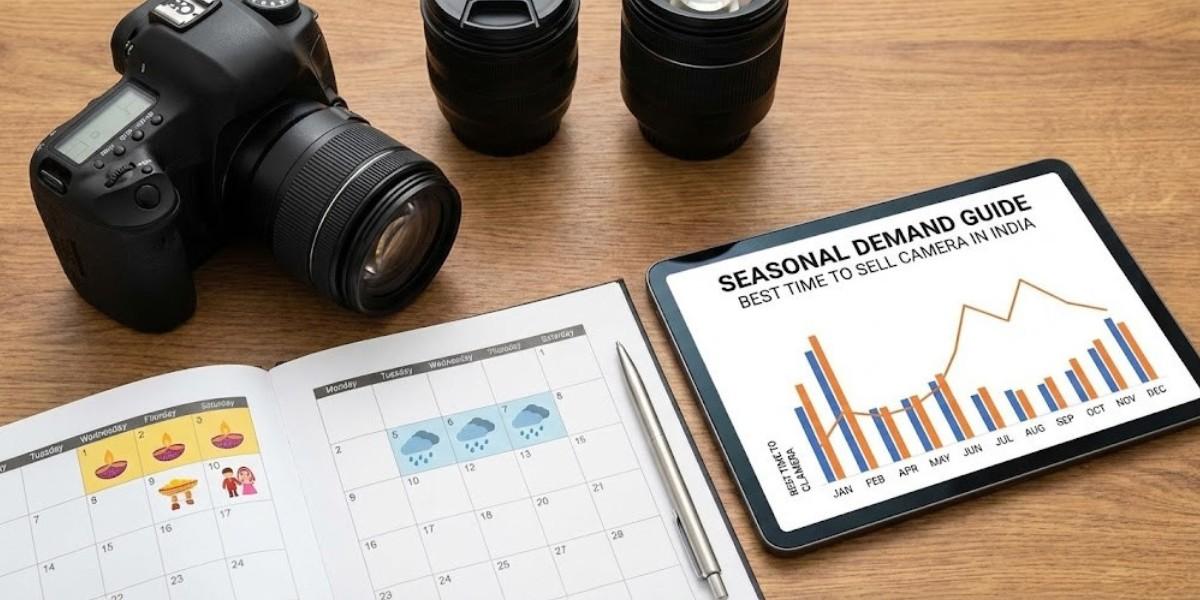
    Market Demand and Seasonal Variations

    Demand fluctuates with the passage of time.

    High-demand periods:

    • Wedding season
    • Travel season
    • College admissions months

    In times of low demand, it is possible to require price adjustments. Knowing seasonal fluctuations will help you time your sale more effectively.

    Effect of Smartphone Photography and Mirrorless Shift

    Smartphones have lowered the demand for basic cameras, however they have not completely eliminated it. The majority of users require:

    • Interchangeable lenses
    • Better low-light performance
    • Manual control

    In addition it is also the case that mirrorless shift impact has led to a lot of people sell old DSLR camera in order to update. This results in opportunities and competition in the market for used camera equipment.

    Check current market prices Prior to Listing

    Don’t guess the price. Use a simple camera valuation guide:

    • Find current market prices on the internet
    • Find similar listings on the internet marketplaces
    • Get professional appraisals required.

    This helps avoid overpricing and underselling.

    Internet vs. Local Sales Options

    Online Marketplaces

    Online platforms give you wider reach and better pricing if demand exists.

    A specialized photography marketplace like CameraKart connects you with buyers who understand camera value whether you want to sell DSLR online, sell video camera online, or even GoPro sell online.

    Local Camera Shops

    Local stores have deals that are instant but typically at a lower price because of resale margins.

    How to prepare Your Camera to Sell

    To attract buyers:

    • Clean equipment properly
    • Make high-quality photos in a good light
    • Be honest about the situation
    • Shutter count for Share and other accessories

    Transparency helps build trust and help you sell more quickly.

    Final Thoughts

    When you sell your old camera, consider taking a moment to determine the demand. Model, age, condition and shutter count market trends determine whether your camera is likely to sell rapidly or slow and for what price.

    If your camera’s specs are still compatible with your current needs, you could comfortably trade in your camera at a fair price. If you choose the right time and platform to avoid regret, you’ll benefit from your equipment.

  • Red Flags in Used Camera – What Buyers Avoid

    Red Flags in Used Camera – What Buyers Avoid

    Selling or buying cameras used is a fantastic option to save or earn money, but only if both parties are cautious. When it comes to the market for used cameras, buyers will be wary of ads that have warning indicators, especially in the case of used camera lenses as well as bodies. Being aware of these warning signs helps buyers to avoid bad deals and help sellers to present their equipment in a transparent manner to minimize the risk of reselling.

    This guide will explain the most frequently-cited indicators buyers are looking for on online marketplaces and how reputable platforms such as CameraKart aid in reducing the risk of fraud and misinformation.

    1. Seller-Related Red Flags Buyers Avoid

    Unclear or Suspicious Seller Profile

    Buyers should always vet the seller first. A weak profile of the seller is a big warning sign.

    Buyers steer clear of sellers using:

    • No history of seller
    • Profiles that are newly created
    • No reviews or ratings for the past.
    • Contact information is not complete.

    A legit seller typically has a clear profile, a history of activity, and clear communication.

    Selling Through Scam Websites

    Buyers are wary of unknown or poorly designed websites that appear like the appearance of a scam website.

    It’s the reason why many buyers opt for:

    • Online marketplaces that are reputed to be fraudulent
    • A physical presence that is known to the store
    • Specialized platforms for photography

    This lowers the likelihood of resale or fraud.

    2. Missing Proof and Documentation

    Buyers stay clear of listings if there is:

    • No proof of purchase
    • Missing original box
    • No warranty card (if applicable)

    While not required they can boost confidence and reduce the risk of resales, especially for cameras with higher-end lenses. bodies.

    3. Counterfeit and Fake Lens Warning Signs

    Verify Lens Legitimacy

    Lenses that are counterfeit exist, particularly for brands that are well-known. Buyers steer clear of sellers who do not:

    • Verify lens legitimacy
    • Show serial numbers
    • Please explain where the lens was bought

    Counterfeit lenses typically look authentic but aren’t as effective and have no potential for resale.

    4. Physical Damage That Lowers Value

    External Damage

    Buyers immediately refuse to purchase items that are clearly visible

    • Cracks
    • Deep scratches
    • Bent or damaged mount contact points
    • Damaged filter threads that prevent attaching a lens filter

    Cosmetic wear and tear is fine but structural damage can be not acceptable.

    5. Internal Lens Problems Buyers Fear Most

    Mold, Dust & Fungus

    One of the most important warning signs in the use of a used camera lens is internal contamination.

    Buyers look for:

    • Mold
    • Dust clusters
    • Fungus growth

    A basic flashlight inspection will reveal any internal problems. Fungus is a major cause of damage to optics, making resales almost impossible.

    Poor Optics and Image Issues

    Tests for buyers:

    • Sharpness
    • Distortion
    • Low performance, light

    If images seem fuzzy, blurry or out of sync, customers will walk off.

    6. Lens Functionality Issues

    Zoom & Focus Problems

    Buyers must always test features before they purchase.

    The red flags are:

    • Loose or stiff zoom Ring
    • The focus ring can be uneven or grindy. the focus ring
    • Autofocus failure or autofocus hunting

    The smooth operation is an essential requirement when purchasing secondhand lenses.

    7. Compatibility & Adapter Confusion

    Buyers should stay clear of listings that aren’t clear about:

    • Compatible camera body
    • Mount type
    • The adapter requirement

    The wrong adapter could cause autofocus to suffer and can create problems in the long run with usability.

    8. No Warranty or Return Clarity

    The majority of used items come with a limited warranty or no warranty whatsoever. Sellers who:

    • Do not clarify the the warranty status
    • Refuse any basic test or verification
    • Avoid post-sale communication

    The clarity of terms can reduce buyer anxiety.

    9. Why Buyers Prefer Trusted Marketplaces

    Due to the risk of all of these Buyers prefer platforms that:

    • Sellers are vetted
    • Gear is focused on photography.
    • Listings are open and transparent.

    This is why trustworthy marketplaces such as CameraKart draw serious buyers and sellers. They help reduce fraud, increase confidence, and shield both sides of the resale process.

    Final Thoughts

    Buyers steer clear of used camera listings not because the equipment is old, but because the item appears uncertain. Uncertainty in the seller’s information, no documentation or damaged lenses that are counterfeit, physical damages and fungus as well as bad communication instantly undermine confidence in buyers.

    If you’re selling equipment, transparency and honesty can help you sell more quickly.
    If you’re purchasing, being aware of these red flags will protect your investment.

    In the world of used cameras, trust is everything.

  • Stop Losing Money When Selling Your Camera

    Stop Losing Money When Selling Your Camera

    A lot of people make a loss when selling their camera because they are too quick or pick the incorrect platform. No matter what you’re selling used camera gear with DSLR mirrorless body cameras for video, and thinking of buying  GoPro sell online , Smart decisions can assist you maximize selling price and beware of and avoid common and avoid common.

    If you’re looking to sell your camera, sell old camera online, or sell your camera in India and not regret it, this guide will help you to safeguard yourself, correctly price your camera and select the best market.

    Understand the Used Gear Market First

    Prior to listing the camera for sale, you should spend time conducting market research. The used gear market fluctuates rapidly depending on the demand, model’s age and the state of.

    Check:

    • Prices currently available are listed on online marketplaces
    • Marketplaces such as eBay, Craigslist, and auction websites
    • Demand for used camera bodies vs. lenses

    This will help you establish a competitive price instead of overpricing your equipment.

    Choose the Right Platform to Sell

    Different platforms function differently

    Local Sales

    Local sales can be quick If you are looking to sell camera near me for cash However, they usually include:

    • Negotiation with the buyer is a major factor
    • Security is a major concern
    • Lower resale value

    General Marketplaces

    Platforms such as eBay or Craigslist provide a wide reach, but also:

    • Fees for PayPal
    • Platform commissions
    • Buyer disputes
    • Seller protection concerns

    Specialized Photography Marketplaces

    A platform focused on photography such as CameraKart connects you to buyers who are aware of the importance of cameras. This is a great option if you are looking to:

    Use a Smart Pricing Strategy

    The price is where the majority of sellers are losing money.

    Avoid:

    • Pricing based on emotion (“I purchased it at RsX”)
    • Copying the price of the highest listing
    • Ignoring camera condition

    Instead:

    • Review recent sales, non-sold listings
    • Price adjustment based on the shutter count, wear and demand
    • Give room for negotiation by the buyer without being too low.

    A well-planned pricing strategy can attract serious buyers quicker.

    Create an Honest, High-Quality Listing

    Your listing helps build trust and safeguards you from controversies.

    Photos of Gear Matter

    Upload clear photos showing:

    • Back and front of camera
    • Lens Mount and Glass
    • Camera accessories (battery, charger, bag)

    Be Transparent

    Mention:

    • Condition and functional
    • There may be scratches or other issues.
    • Number of shots (for DSLR cameras)

    An honest listing improves the resale value as well as the reputation of the seller.

    Secure Payment Is Non-Negotiable

    To safeguard the interests of sellers, always choose secure payment methods.

    Preferred:

    • Instant UPI or transfer to a bank
    • Verified platform payment

    Avoid:

    • Partially paid
    • Fake PayPal screenshots
    • Scams with overpayments
    • Unverified cash transactions on huge sums

    When shipping may be involved always:

    • Use shipping insurance
    • Share tracking details
    • Pack gear securely

    Handle Shipping and Meet-Ups Safely

    Meet-ups in your area:

    • Find a public meeting point
    • Find a place to meet in well-lit areas
    • Avoid home addresses

    To ship:

    • Make sure to use sturdy packaging
    • Insure high-value camera equipment
    • Document the dispatch

    This helps avoid buyer disputes and also loss.

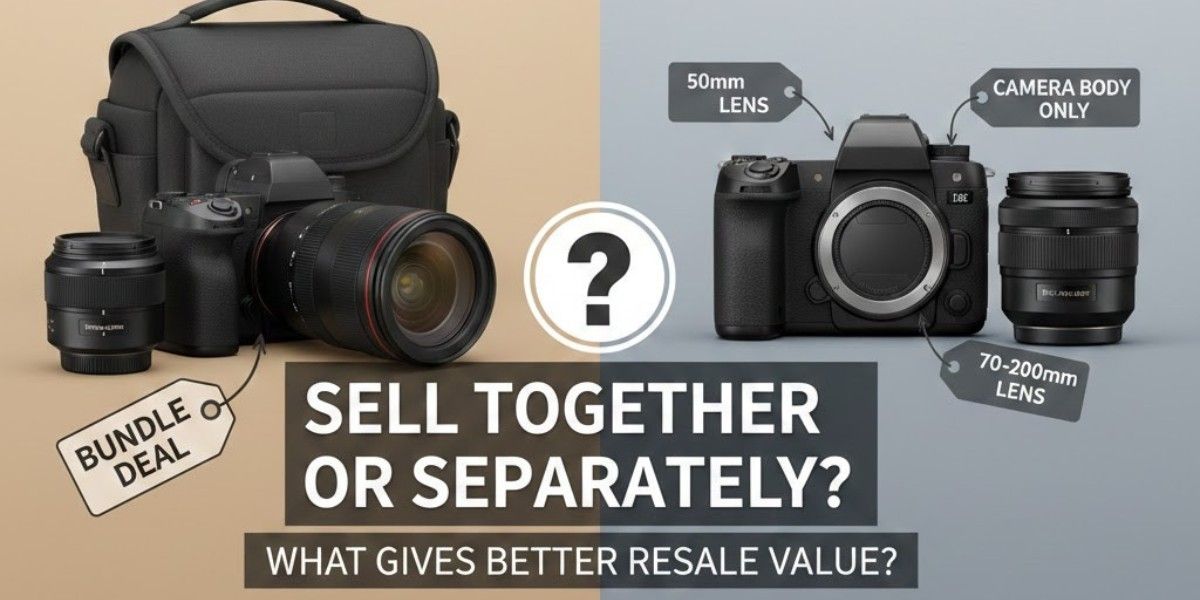
    Sell Accessories Together for Higher Value

    Bundling camera accessories helps you earn more:

    • Extra batteries
    • Memory cards
    • Camera bags
    • Lens filters

    Buyers want complete kits and bundles can increase the value of resales.

    Timing Matters More Than You Think

    You can maximize selling price when you sell at the appropriate moment:

    • Prior to a launch of a new model
    • In the time of weddings or during travel season
    • When the demand is high, demand will be

    In the long run, waiting too long will reduce the resale value, particularly for older models.

    Final Thoughts

    If you’re looking to sell my old camera, sell a camera, or even sell used gear online Don’t be rushed. It’s common for people to lose money due to sellers not doing their research or undervaluing, or using unsecure platforms.

    If you are able to understand the market, creating an honest and authentic listing, making secure payment methods, and then selling on a reputable marketplace for photography such as CameraKart you can end your losses and sell your photos with confidence.

    Selling smart is as vital as shopping smart.