Tag: Camera Resale Value

  • Why Local Camera Shops Give Less Price Than Online Camera Resale Platforms

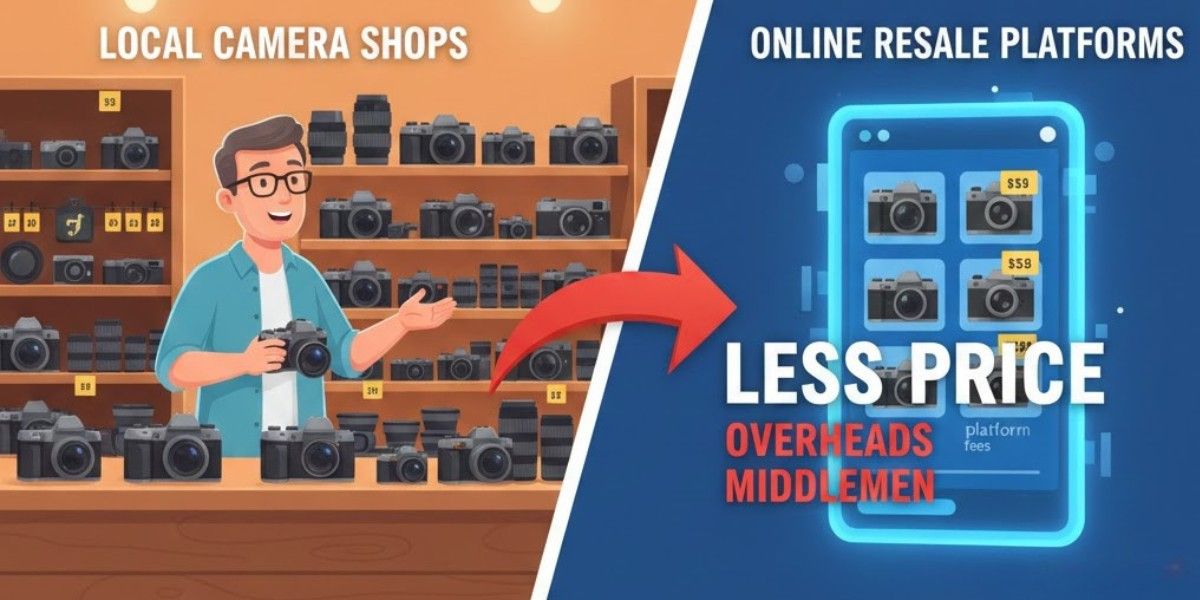
    Why Local Camera Shops Give Less Price Than Online Camera Resale Platforms

    Selling used cameras in India usually begins by visiting the nearest camera shop. It’s easy and familiar. It is also convenient. However, most sellers leave dissatisfied after receiving a cheaper price than they expected. If you’ve been wondering why local camera shops offer less money for your used camera compared to online camera resale platforms, this guide will explain the true reasons clearly and in detail.

    How Local Camera Shops Decide Your Camera’s Price

    Local camera shops don’t compute resale values the same way professionals do. Their pricing is typically affected by business survival costs and not by actual demand in the market.

    This is what happens behind the counter

    • The owner of the shop needs instant profit margin
    • The camera could remain un-sold for several weeks
    • Limited local buyer demand
    • No data-driven resale pricing

    This is why shopkeepers usually provide 30-50% lower than the actual selling price in India[camera resale value in India].

    Limited Buyer Reach = Lower Camera Price

    The local store can offer your camera only to

    • Customers who walk in
    • Nearby photographers
    • People with whom you have established relationships

    It’s a very small market.

    The platforms for reselling cameras online work differently

    • They connect sellers with  nationwide buyers
    • There is a higher demand for top models
    • Resales that are faster means a higher cost for the seller

    Demand increases directly and improves the price of selling used camerasThe higher demand directly improves your [used camera selling price.

    Inventory Risk Is the Biggest Reason for Low Offers

    Local stores are taking the  financial risk when you purchase a camera:

    • What happens if the product doesn’t sell?
    • What happens if a brand new model comes out?
    • What happens if repairs are required afterward?

    To ensure their safety Shop owners cut their purchase prices and then increase it.

    Platforms on the internet reduce this risk through:

    • By using real-time pricing information
    • Matching buyer demand quickly
    • Selling cameras faster using digital channels

    This lets platforms offer an accurate [used camera] price online for used cameras.

    No Standard Camera Inspection Process

    Cameras are inspected by local shops visually:

    • A few clicks for testing
    • Basic lens check
    • Rough conditional judgement

    There is typically no standardized technical inspection and this leads to:

    • Pricing based on guesswork
    • Deductions for scratches that are not too severe.
    • Not paying attention to the actual camera’s performance

    Professional cameras follow a standard [camera inspection process] which includes:

    • Shutter count check
    • Testing of autofocus and sensors
    • Lens and evaluation of accessories

    This guarantees  fair and transparent pricing.

    Cash Flow Pressure Forces Shops to Undervalue Cameras

    Local camera stores rely on daily cash flow.
    They are not able to afford to keep cash from expensive used cameras.

    The result is:

    • Cameras with high value receive lower offers
    • The older models are undervalued.
    • Accessories are frequently ignored

    Online resale platforms operate with a large scale and have a logistics system that allow them to:

    • Make sure you have inventory that is strategically stored
    • Price cameras are based on the demand
    • Include any accessories in the final price

    This can help sellers have the best [sell used camera] online experience.

    Negotiation Culture Works Against Sellers

    Local shops are the most common place to sell locally. includes:

    • Continuous bargaining
    • “Last price” pressure
    • Techniques to evoke emotion such as “market slow hai”

    Many sellers are willing to accept lower prices to ease stress.

    Online platforms eliminate negotiation completely by providing:

    • Fixed-condition-based pricing
    • Transparent valuation
    • There are no back-and-forth conversations.

    This makes them great for first-time camera sellers.

    Why Online Camera Resale Platforms Offer Better Prices

    Platforms that are camera-focused on the internet offer:

    • Data-driven pricing models
    • Model-based and brand-based valuation
    • Nationwide resale network
    • Doorstep pickup service
    • Secure payment methods

    All of this contributes directly to higher resale value when you sell your old camera in India and sell it to India.

    Real Example: Local Shop vs Online Platform

    To purchase an DSLR camera in good working order:

    • Local shop offer: Rs18,000 – Rs22,000
    • Online resale platform value: Rs26,000 – Rs30,000

    The difference is due to the fact that online platforms offer:

    • Greater reach for buyers
    • Speedier Resale cycles
    • Lower operational risk

    Is Selling to Local Shops Ever a Good Idea?

    Local stores may be able to work in the following situations:

    • The camera is extremely old
    • You require instant cash today
    • The device is plagued by major functional issues.

    If you are looking for cameras that are in good working condition, the internet platform is typically the best option for getting the most affordable price for a used camera [best price for used camera].

    How CameraKart Solves These Pricing Problems

    CameraKart is specifically designed to assist users in:

    • Get fair camera resale value
    • Avoid negotiation stress
    • Use free doorstep pickup
    • Get a clear and transparency in inspection
    • Pay quickly and securely

    If you’re looking for an easy method to sell your camera online, CameraKart simplifies the entire procedure.

    Final Thoughts

    The local camera stores aren’t shady They’re regulated by:

    • Small buyer networks
    • Inventory risk
    • Cash flow restrictions

    Reselling platforms for cameras online overcome these barriers with the help of technological advancements in addition to the ability to scale.
    If your aim is to achieve maximum value with safety online sales are the best option.
  • How Resale Prices Are Calculated for Used Cameras

    How Resale Prices Are Calculated for Used Cameras

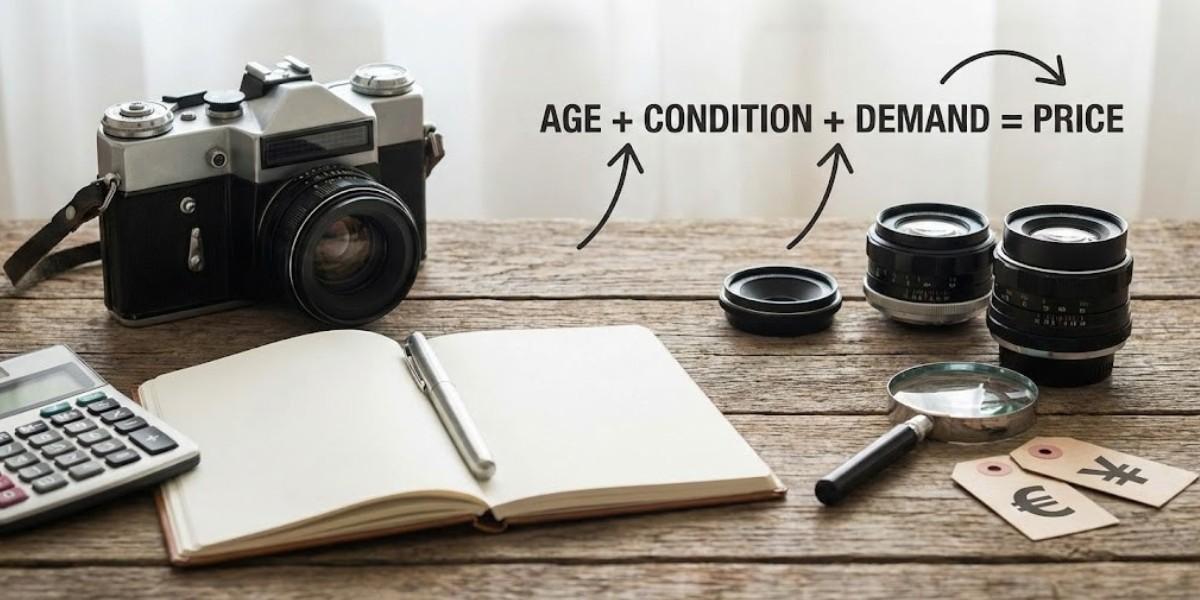
    If you’ve ever considered “Why do I have to pay for the camera I have worth that amount?” or “Am I paying the right cost?”, you’re not alone. A lot of people who want to sell their camera are unsure of how resale prices are determined.

    Understanding the way camera resale value is a key factor to selling at the right time to receive the highest return. Let’s break it in an easy, clear and straightforward manner.

    1. Camera Brand & Model Matter the Most

    The first thing that buyers take note of is the brand and model. The most popular brands such as Canon, Nikon, Sony, Fujifilm, and GoPro typically have better quality.

    For instance:

    • DSLR as well as mirrorless DSLRs are simpler for you to sell DSLR online
    • Action cameras are highly sought-after for vlogging and travel It is now easier for sellers to sell action camera online
    • Buyers who specialize in this market also sell video camera online for use by professionals

    Modern models usually get better rates, but older models still have value in the event of a demand.

    2. Condition Plays a Big Role in Pricing

    The condition of the equipment is an important element when you sell used camera equipment.

    Buyers evaluate:

    • Physical condition (scratches, dents, lens marks)
    • Image quality and sensor
    • Battery health
    • Ports and buttons that function

    A camera that is well-maintained can sell for a decent price, especially if you intend to sell my old camera for cash instead of keeping it idle.

    3. Shutter Count & Usage History

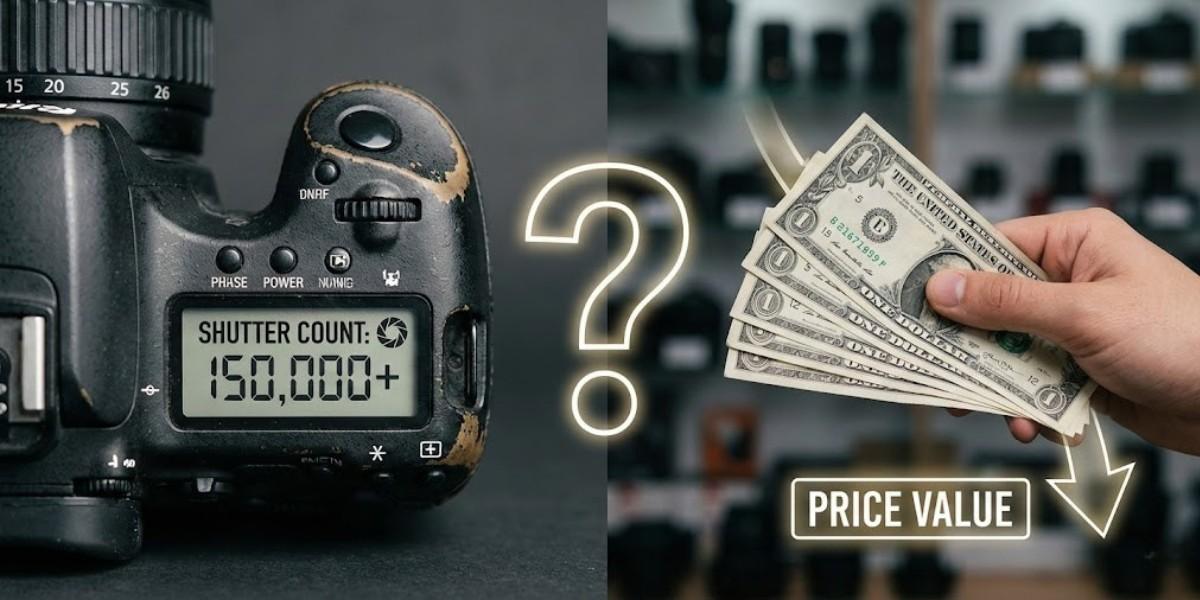
    When it comes to DSLRs or mirrorless models, the shutter count functions like the mileage of the back of a car.

    • Lower shutter counts = more expensive cost of resale
    • High usage = lower value

    In the event that you plan to sell DSLR camera equipment knowing the shutter count will help you to set realistic expectations.

    4. Accessories Increase Camera Resale Value

    Original accessories can dramatically enhance the price in the event that you sell a camera.

    They include:

    • Original box
    • The battery and charger
    • Camera strap
    • Caps and lenses

    Complete kits always fetch higher prices when selling cameras online.

    5. Market Demand & Timing

    Prices for cameras fluctuate depending on:

    • New model launches
    • Wedding and festival seasons
    • Trends in travel (boosting GoPro sell online demand)

    That’s the reason why people who search “sell my camera in the area to get money” may get different quotations at different times of the year.

    Selling earlier usually results in better yields.

    6. DSLR, Action Camera, or Compact Each Has Different Value

    Different types of cameras are priced differently

    • Mirrorless and DSLR cameras are very popular to sell camera online India
    • Action cameras are easy to sell action camera
    • Compact cameras are heavily influenced by demand from brands

    Even if your camera is old-fashioned, platforms that specialize in camera sell online services that may still provide decent value.

    7. Location & Selling Platform

    A lot of people search to “sell old cameras India” options because the resale price varies depending on location.

    Selling on a reputable online marketplace usually offers cheaper prices than local stores due to:

    • No middlemen
    • Larger buyer network
    • Transparent evaluation

    This is why sellers choose platforms such as Camerakart that are specialized in the resales of used cameras across India.

    8. Trust & Reviews Matter

    Prior to selling, buyers frequently look up camerakart new delhi reviews to determine the credibility of the company. A trusted platform ensures:

    • Fair pricing
    • Secure pickup
    • Fast payments

    If you’re contemplating “I would like to market my old camera” or “sell my old camera”, trust plays an important role in your ultimate satisfaction.

    9. Why Online Selling Gives Better Prices

    In comparison to offline stores online stores:

    • Use real market data
    • Be sure to assess demand in detail
    • Offer doorstep pickup

    This is what makes sell camera online an ideal option for those who want to sell camera India without any hassle.

    Final Thoughts: Know the Value Before You Sell

    If you’re considering “sell the camera” or “sell your old cameras for cash online”, knowing how the prices for resales are calculated will help to keep from underpricing.

    From demand and condition to trust in the platform, every element is crucial. Do not guess. Select an app that knows the value of cameras from top to bottom.

    Start your resale adventure with the Camerakart website and receive an affordable value for your digital camera.

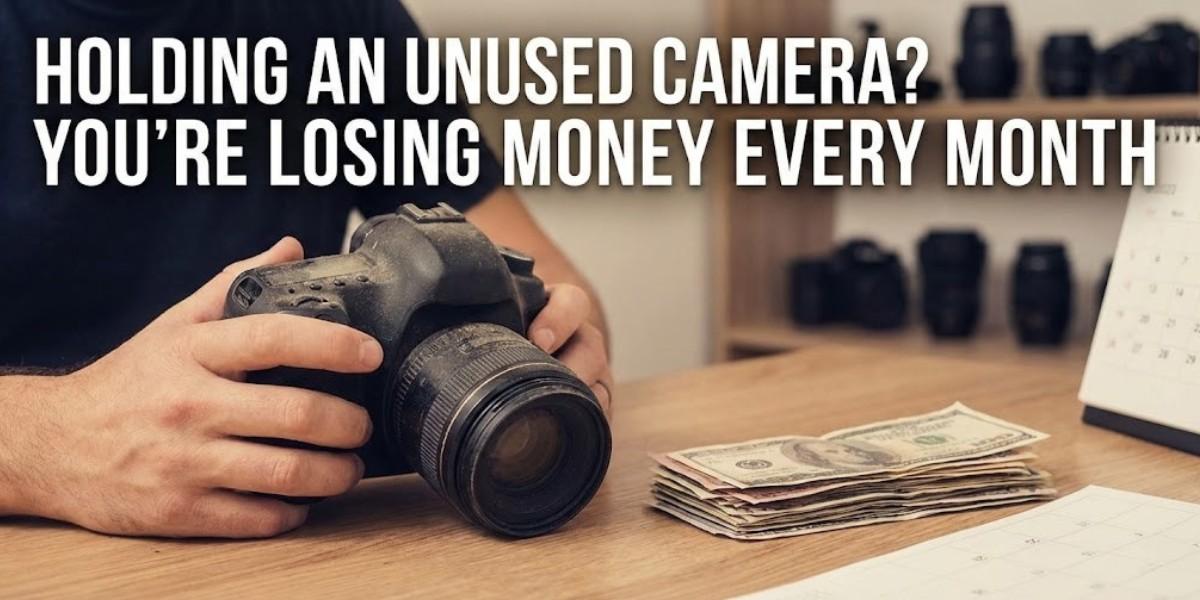
  • Holding an Unused Camera? You are Losing Money Every Month

    Holding an Unused Camera? You are Losing Money Every Month

    Have you seen a camera tucked away in your closet? Perhaps it’s an old DSLR that you used to love or an action camera that you picked up on travel, or perhaps an upgrade that you haven’t offered for sale. In the event that you’re wondering “I may utilize it one day”, here’s the reality -it’s every month you hold an unused camera, its value drops.

    Technology evolves quickly and camera prices can’t sit around for long. If you would like to sell your camera the ideal moment to sell it is now and not later.

    Why Unused Cameras Lose Value Over Time

    Cameras aren’t gold or properties. Every year, new models are released with higher-quality sensors, speedier autofocus, and more advanced features. This translates to:

    • Older models have lost their camera resale value
    • Newer technology is more sought-after by buyers with similar costs.
    • Battery degradation and repairs lower the value

    When people say “I would like to make a sale of my camera at some point”, they often sell it at a lower price or perhaps not at all.

    Signs It’s Time to Sell Your Camera

    If any of these sounds familiar you should act:

    • You haven’t used the camera in six months or more
    • You upgraded your computer and saved the previous version “just in the event of”
    • The majority of your shooting is on your phone now
    • You’re looking “sell my camera in exchange for cash”

    Holding on doesn’t add value. Selling early does.

    Selling Cameras Online Is Easier Than Ever

    Nowadays, cameras selling online are easy, quick, secure, and safe. As opposed to dealing with buyers who are random or local businesses You can sell camera online in India via reliable platforms that manage pricing, pickup and even payment.

    In the event that you’ve thought “I would like to get rid of my camera, but I don’t know where to start”, online platforms can save you time and energy while also offering affordable costs.

    An option that sellers have confidence in can be Camerakart that specializes in the purchase of used cameras throughout India.

    DSLR, Mirrorless, or Compact Everything Has Value

    Many assume that only brand new cameras are a big seller However, that’s not the case.

    You are able to quickly:

    • Sell DSLR camera versions that are in high demand
    • Sell used camera online no matter if the camera is just a couple of years old
    • Sell my old camera after I upgraded to a mirrorless

    It is important to sell before the demand falls further.

    What About Action Cameras?

    Action cameras lose value even faster due to frequent upgrades. In the event that the GoPro or action camera is in storage:

    • This is the perfect time to market an action camera
    • Demand is booming to travel, vlogging and
    • You could also sell action camera online without having to meet buyers

    Action cameras that are not used = rapid depreciation.

    Why Selling Online Beats Offline Deals

    Local stores often have low prices due to the fact that they require resale margins. Platforms that specialize in camera sell online services typically offer better price because of:

    • Prices are based upon real market demand
    • Pickup will be done at your home
    • Secure and fast payments are made

    This is one reason why a lot of people choose to sell camera online instead of traditional stores.

    Trusted Platform Matters

    Before selling, a large number of customers seek out reviews to stay clear of fraud. Such searches as “camerakart new delhi reviews” show that sellers are concerned about transparency and trust.

    Selecting a platform that is specialized will ensure:

    • Fair price evaluation
    • Professional handling
    • Genuine buyers

    Platforms such as Camerakart concentrate on cameras, thereby helping sellers negotiate better prices.

    How to Get the Best Camera Resale Value

    In order to maximize the return you earn

    1. Sell before the market opens don’t wait until prices fall
    2. Keep accessories (charger, box, lens caps)
    3. Be truthful about the condition
    4. Pick a platform specifically designed to sell camera India services

    If you’re contemplating “sell the camera I have”, remember -delay equals loss.

    Final Thoughts: Turn Idle Gear Into Cash

    If you’ve been thinking “I would like to market the camera I have” or “I would like to market my camera on the internet”, the best moment is now. A camera that isn’t used doesn’t increase in value, it simply goes away.

    Do not let it sit in dirt, sell used camera online and get cash in a flash and invest it in a way that will benefit you.

    Begin your selling journey by using camerakart and transform your old equipment into cash.

  • 5 Mistakes That Instantly Reduce Your Cameras Resale Price

    5 Mistakes That Instantly Reduce Your Cameras Resale Price

    Selling your camera shouldn’t be difficult, but any small error can lower the price of resales higher than you expected. A lot of people put the blame on market fluctuations or poor luck. However, in actuality, camera resale value usually decreases due to mistakes that can be avoided in the selling process.

    If you’re planning to hold a used camera sale knowing these pitfalls will allow you to protect your value as well as build trust with the buyer and help you sell more quickly without tension in negotiations.

    Mistake #1: Selling Without Knowing the Real Market Value

    The most frequent camera resale mistake is not conducting the proper market value analysis. Sellers typically guess the price based on the amount they paid in the past or copy and paste listings without the context.

    Prices for cameras are based on the amount of demand, the condition, and when new models have been released. The DSLR (or mirrorless) camera which was very popular in the past may be placed in a more affordable price range.

    If sellers don’t pay attention to market trends, they may overvalue and turn off buyers, or undervalue and immediately lose money. Pricing smartly is the basis of camera sale value optimization.

    Mistake #2: Poor Presentation That Signals Neglect

    Buyers judge quickly. A dirty camera body, lens that is smudged, or caps that are missing immediately raise doubt, even if equipment functions flawlessly.

    Clean presentation is more important than most people think. A clean camera, well-organized camera accessories and crisp photographs show concern and responsibility. This directly affects the buyer’s trust and their willingness to pay.

    A good camera listing photography does not require any professional expertise, just transparency, natural lighting, and sharp angles. A well-designed camera will sell better than a sloppy one.

    Mistake #3: Weak or Vague Listing Descriptions

    Another common error is to write unclear or insufficient descriptions. Buyers are looking for certainty, not confusion.

    The most effective listing description tips include describing usage conditions, as well as what’s included. Be careful not to oversell, but do not undersell the product either. The mention of shutter condition or cosmetic wear as well as functionality can boost credibility.

    Inconsistent listings can lead to numerous messages, low-quality offers, and price reductions. Clare descriptions ease the pressure on negotiations and can help you close deals quicker.

    Mistake #4: Choosing the Wrong Platform to Sell

    However, not all camera selling platforms operate in the same manner. Peer-to peer marketplaces such as OLX as well as Facebook Marketplace can bring inquiries but there are also no-shows, low-ball offers and security concerns.

    International platforms such as eBay require expertise in shipping and buyer communication skills and the ability to handle disputes. International retailers like B&H, MPB, Adorama and KEH might not be the best fit for Indian sellers because of logistics and price differentiating.

    That’s why many sellers prefer Camerakart, a platform designed specifically for India, offering transparent pricing, free pickup, and no listing hassle. Choosing the right marketplace is a crucial element of a well-planned camera sales strategy.

    Mistake #5: Ignoring Packaging, Proof, and Communication

    A lack of shipping safety or inadequate documentation could instantly undermine confidence in buyers. Incorrect serial number records, poor packaging, or ineffective responses to buyer communications usually result in cancellation of sales or forced discounts.

    Good packaging not only protects the camera, but also its perceived worth. A clear communication system and a modest buffer for negotiation show professionalism and flexibility, two things that customers appreciate.

    The details may appear minor yet they all contribute to your camera sale advice the success of your sale.

    How to Sell Smart Without Losing Value

    Beware of these errors:

    • Secure your camera’s resale price
    • Sell faster and with less negotiation
    • Create trust in the buyer instantly
    • Upgrade your home with ease

    If you’re considering selling your DSLR or mirrorless camera video camera or an action camera, such as GoPro, or even an action camera like GoPro, the process does not have to be difficult.

    If you’re in search of:
    sell my camera, sell old camera online, sell video camera online, GoPro sell online, sell a camera, sell action camera online, sell camera near me for cash, sell DSLR online, sell my old camera, sell old camera India, sell your camera

    The easiest and safest option is CameraKart handles the process of evaluation, pickup and payment, so you won’t be impacted by confusion, delays or limitations of the platform.

    Final Thoughts

    The resale value of your camera isn’t only about age; it’s also about the way you market it. Make sure you avoid these common mistakes and you’ll be amazed by the value you’ll keep.

    If you want to sell your camera, sell it on our website: https://www.camerakart.in/
    Sell smart. Sell early. Be confident when you sell.

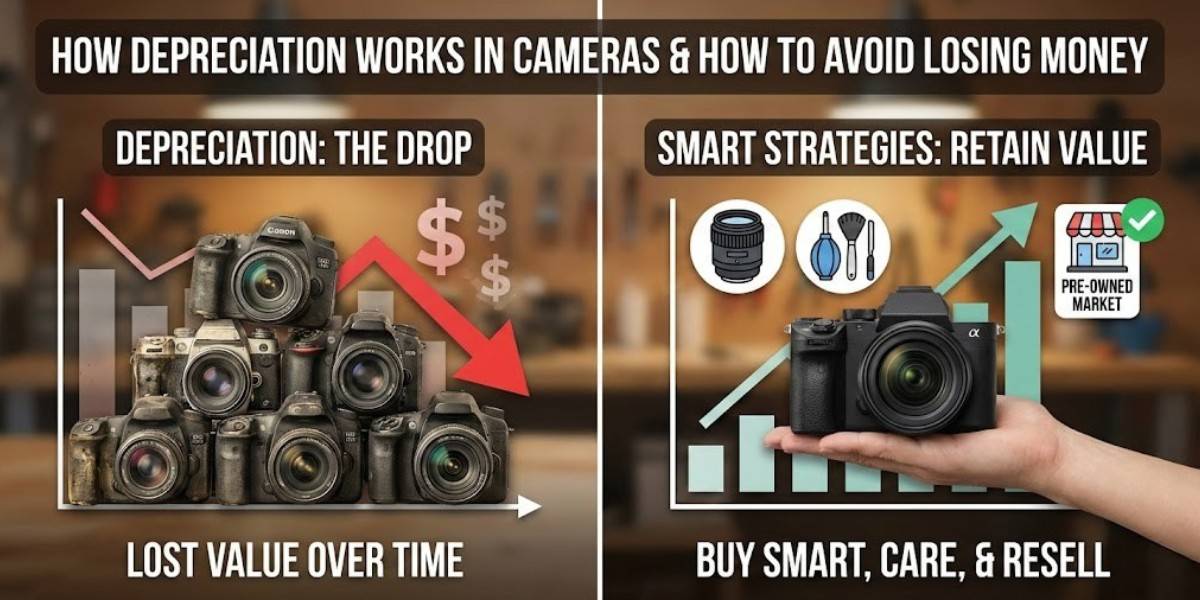
  • How Depreciation Works in Cameras And How to Avoid Losing Money

    How Depreciation Works in Cameras And How to Avoid Losing Money

    Camera equipment is thrilling to purchase, but like all technologies is devalued as time passes. The loss of value known as photography equipment depreciation. No matter if you’re an experienced photographer or content writer or just a casual hobbyist, knowing the process of depreciation for cameras can help you make better purchasing and selling decisions, and prevent loss of money.

    In this article we’ll explain the process of depreciating cameras into simple terms as well as explain how to depreciate, as well as demonstrate how you can minimize losses by selling at the appropriate time with trusted platforms such as CameraKart.

    What is Camera Depreciation?

    Camera depreciation life is the amount of value a camera will lose when it gets older and utilized. Cameras are classified as capital assets and they lose value gradually because of:

    • New model launches
    • Wear and tear
    • Technology advancements
    • Reduced market demand

    As time passes, your equipment will become depreciated photography equipment even though it is still working flawlessly.

    The useful life of a Camera

    The useful life of a camera depends on the use and the type of camera:

    • Cameras for entry-level use: 3-5 years
    • Professional cameras 5 years or more
    • Lenses range from 8 to 15 years (depreciate faster)

    This can affect both the value of resales and depreciation in accounting.

    Common Methods for Depreciating Cameras (Explained In Simple Terms)

    If you are using your camera for business purposes, depreciation can be measured in writing.

    1. Straight-Line Depreciation

    This method distributes costs evenly throughout the life of the camera.

    Example:
    Original cost: Rs.10,00,000.
    Life expectancy 5 Years
    Depreciation annually of $20,000

    Simple and widely utilized.

    2. Double Declining Depreciation

    This technique degrades the camera more quickly in the beginning.

    It is used to:

    • Technology is quickly outdated
    • New models are launched often

    This is due to the fact that cameras are less valuable in the first 2 years.

    3. units of production depreciation

    The method relies upon usage (like shutter counts).

    Example:

    • Shutter-based depreciation
    • Ideal for heavy-duty professional use

    It closely mirrors real-world camera wear.

    Key Terms of Depreciation You Must Be Educated About

    • The original cost – What you incurred at the beginning
    • Salvage price Value to be expected at the end of a useful life
    • Book value – Original cost minus depreciation
    • Depreciable equipment for photography Equipment used to earn income

    These terms will help you understand the real value of a camera in the long run.

    Is Photography Equipment Depreciable for Business?

    Yes. Is photography equipment depreciable? 

    If the camera is being employed for business or professional reasons, depreciation could be applicable according toIRS depreciation rules and local tax laws.

    This is part of:

    • Business use depreciation
    • Fixed Asset Management
    • Tracking depreciation

    Many professionals utilize the fixed asset management platform or depreciation tracking solution like AssetPanda platform for managing camera equipment.

    How to Calculate the Depreciation of Cameras (Quick method)

    To track depreciation manually:

    1. Note the original cost
    2. Estimate useful life
    3. Subtract the expected salvage value
    4. Divide the remaining value over the course of the course of

    However, the value of resales on the market is often lower than that of depreciation in accounting.

    How to avoid losing money on camera depreciation

    Here’s how skilled photographers can reduce loss:

    1. Sell before a major drop in value

    Cameras are most valuable over the first two years. Selling prior to a new model is launched helps to protect its resale value.

    2. Make sure your gear is well maintained

    Good condition slows depreciation:

    • Make sure you clean frequently
    • Guard against the elements
    • Do not make repairs that aren’t necessary.

    3. Store boxes and other items

    Original packaging boosts confidence in resales and also the price.

    4. Monitor Demand for Markets

    Mirrorless developments and video features impact the speed of resales. Stay informed.

    5. Sell on the right Platform

    A market that is geared towards photography such as CameraKart can help you obtain an honest market price from buyers who are aware of the value of their camera, and can help reduce losses due to depreciation.

    Depreciation vs Real Resale Value

    Resale value and accounting depreciation are not the same thing.

    • Accounting: Predictable, slow
    • Market value: Demand-driven, fast-changing

    Knowing these two aspects will help you determine  when to sell instead of storing gear for too long.

    The Final Words

    Camera depreciation is inevitable. However, losing money isn’t. If you are aware of the methods used to depreciate, monitoring the value of your equipment, keeping it in good condition, and selling it at the right moment, you can safeguard your investment.

    The equipment you use for photography should benefit you, not drain your cash. A good timing strategy and a suitable selling platform can make all the difference.

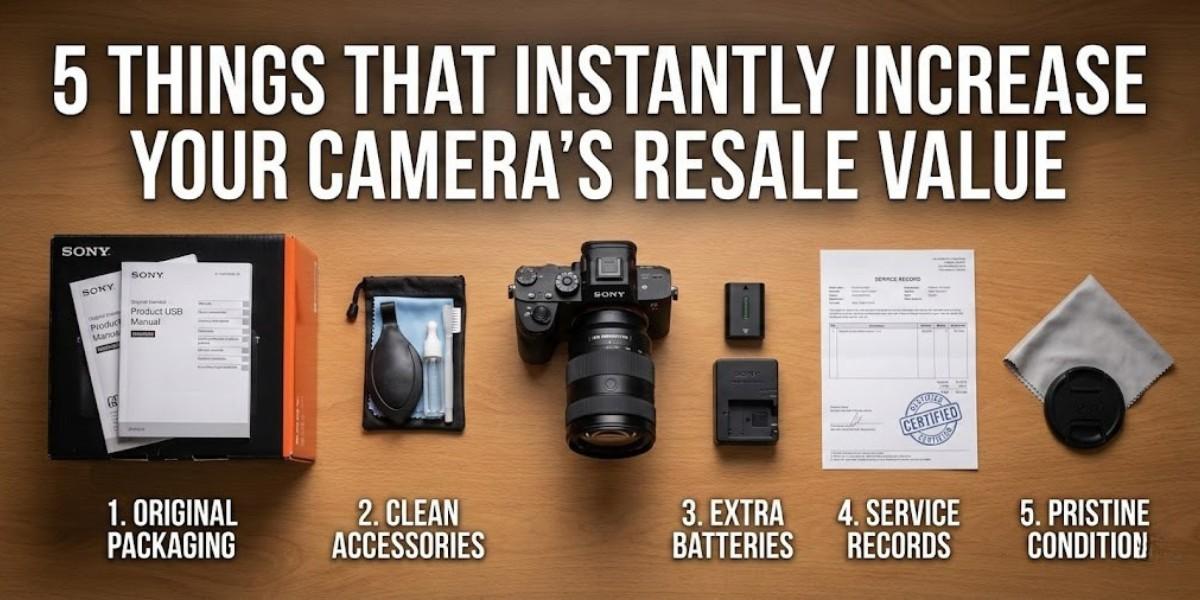
  • 5 Things That Instantly Increase Your Camera’s Resale Value

    5 Things That Instantly Increase Your Camera’s Resale Value

    If you’re looking to sell your camera, some clever actions can make a huge difference in the amount you can get. A lot of sellers lose value not because their cameras are old, but because they don’t set it up correctly. The positive side? You can instantly increase your camera’s resale value using simple, easy actions.

    Here are 5 proven things that can attract buyers and can help you sell faster and at a more attractive price.

    1. Always keep the box in order and original items

    One of the most effective ways to increase the value of resales is to always keep the box.

    Buyers are more confident in listings when they look at:

    • Original box
    • Manuals
    • Cables and chargers
    • A warranty card (if available)

    Original packaging signals good care and improves buyer confidence especially on second-hand marketplaces and online auction sites.

    2. Guard Your Kit and Make It In Good nick

    The condition of the camera directly affects pricing. Buyers must carefully inspect the condition of their cameras prior to making offers.

    Protect your kit

    • Make use of lenses and bags for your camera.
    • Avoid exposure to dust and moisture.
    • Carefully handle lenses

    Get your kits clean prior to selling

    • Cleanse lens and body gently
    • Clean LCD screen
    • Clean up dust off buttons and the mounts

    A camera that is clean and well-maintained is always more expensive than one that is dirty and has similar specifications.

    3. Be Honest about the condition of your shutter and how often it is wiped

    Honest advertising creates trust, and trust leads to more attractive offers.

    The description of your listing should state:

    • Camera condition
    • Any marks or scratches
    • Shutter actuations (very crucial for DSLRs)
    • Functional performance

    Transparency of sellers reduces bargaining and draws serious buyers instead of wasting time.

    4. Include useful extras that add Value

    Small additions can dramatically enhance the value you get from your investment without a huge expense to you.

    Extras that are highly appreciated include:

    • Memory cards
    • Extra batteries
    • UV filters
    • Polarising filters
    • Lens caps or caps for lenses or

    These tools allow buyers to begin using the camera as soon as they arrive which makes your listing more attractive than comparable listings.

    5. Use high quality photos and the right selling platform

    Create high-quality images

    The quality of the photos is as important as the actual product.

    Tips:

    • Photograph in natural light
    • Display front and back screen, and other accessories
    • Capture close-ups of the condition

    The place to sell it is crucial.

    Avoid selling to random social media groups with low levels of trust. Instead, look for trustworthy platforms specifically designed for those who purchase cameras.

    A marketplace that is focused on photography such as CameraKart lets you connect with genuine buyers who appreciate the value of cameras, making it easier to obtain reasonable prices.

    Secure Selling: Packaging, Payment and Proof

    To safeguard your investment and your reputation:

    • Make use of secure payment methods (PayPal or verified transfers or secure cash payment)
    • Make sure to pack it properly with Bubble wrap and a sturdy box
    • Keep proof of sale along with shipping information

    A good postage and packaging system can protect against damage and post-sale disputes.

    Post-Sale Responsibilities Matter Too

    Professional sellers do not disappear after they sell. Communication and support that is clear and simple (like answering questions about setup) enhance the reputation of sellers and aid in future sales.

    The Final Words

    Making your camera more resale-worthy does not require luck. It’s just a matter of pre-planning.
    By keeping the camera in its box, keeping your camera clean and protected and being truthful, incorporating accessories, and selling via the appropriate platform it is possible to instantly raise buyer interest and pricing.

    If you’re looking for an easy, dependable selling experience and dedicated buyers CameraKart is among the top locations to sell your camera without hesitation.

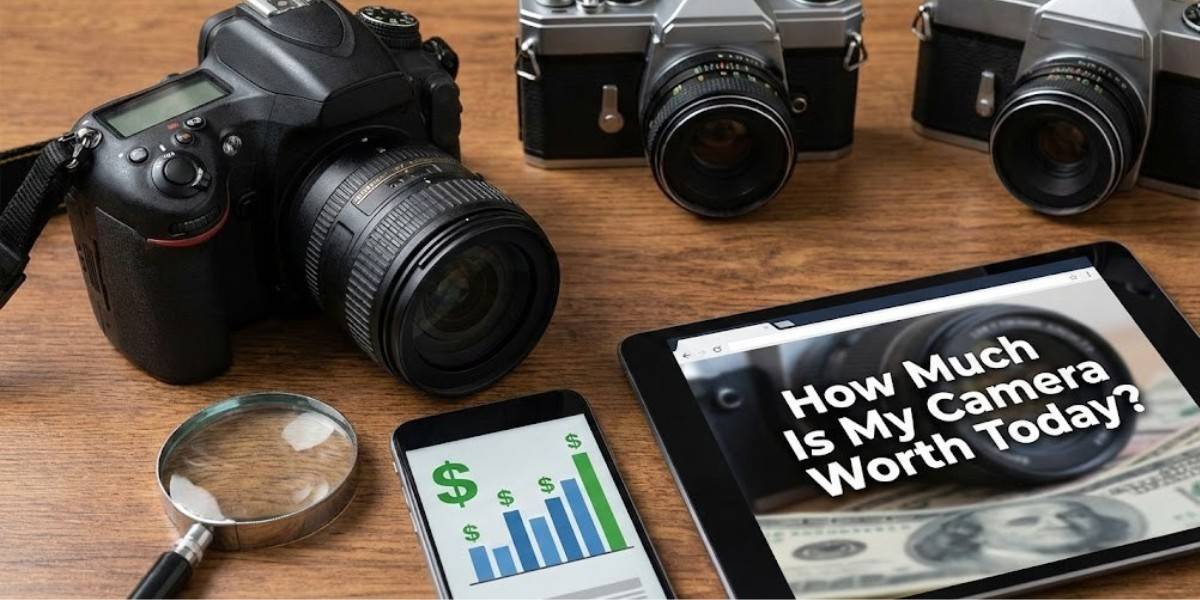
  • How Much Is My Camera Worth Today?

    How Much Is My Camera Worth Today?

    If you’ve ever looked at your old camera and wondered, “How much is my camera worth today?” you’re not alone. Whether you own old cameras, a DSLR, a mirrorless body, a video camera, or even an action camera, knowing the camera value before selling helps you avoid underselling and make smart decisions.

    In this guide, we’ll walk you through how to find the value of old cameras, what factors matter most, and how to prepare your gear to get the best resale value in today’s market.

    Start with Model and Brand

    The first step to determine camera worth is to identify the brand and model. The most well-known brands such as Canon, Nikon, Sony, Fujifilm, Panasonic, and Leica generally have greater value because of the demand and the availability of lenses and services.

    Professional models that are popular keep a higher resale value even though discontinued models can decrease in value faster, especially with rapid technology updates.

    Take into consideration the age of cameras as well as market trends

    Camera age plays a significant role however, it’s not the only factor. Certain older cameras sell very well if they’re reliable, built well, or sought-after.

    Important things to think about:

    • Does the model remain supported with repairs or accessories?
    • Is there a newer version of it?
    • Is there a renewed interest in the market due to current new trends (like the revival of analog)?

    The current market trends such as the transition from DSLR to mirrorless, also impact pricing. Many photographers sell old DSLR camera to upgrade their equipment, which boosts supply and reduces the resale value.

    Check Camera Condition Carefully

    Condition is usually more important than age. Buyers must be aware of:

    • Wear and tear on the body
    • Dial and button responsiveness
    • Touchscreen screen LCD and swivel-screen condition
    • Image quality and sensor cleanliness

    A camera that is in good condition is likely to fetch higher than a similar model that has heavy wear.

    Documentation and accessories increase Value

    The addition of accessories can significantly increase the resale value. Buyers love:

    • Original charger battery as well as the original battery
    • Lens caps and camera straps
    • Manuals
    • Original box

    In the event that you’ve got purchase receipts or documents, it helps build confidence. For vintage or collectible cameras document provenance (ownership of the camera’s history) will increase the value of your camera.

    Rare and Historical Significance

    Certain cameras are worth buying because they’re scarce or historically significant. Special productions of models, discontinuous versions or cameras that are tied to historical photographic events fall under vintage camera valuation.

    Collectors typically seek out:

    • Unique serial numbers
    • Early models of production
    • Mechanical film cameras working in excellent in good working

    In these cases the value of a product isn’t only about the usability of the product, it’s also about collecting.

    Research Using Online Marketplaces

    One of the most efficient methods to determine value is to look at online marketplaces.

    Some of the most well-known platforms comprise:

    • eBay (check for sold listings (not asking prices)
    • Etsy (useful for old as well as collectible cameras)
    • Specialized camera auction sites

    These platforms provide information on what buyers are paying for today.

    Make use of Camera Price Guides as well as Databases

    For more information, refer to price guides for cameras and databases like:

    • The Price of McKeown’s Guide
    • Blue Book of Cameras
    • Online camera databases

    These are particularly useful for collectible or vintage cameras and assist in establishing an accurate value range.

    Explore Photography Forums and Experts Local to You

    Forums and communities for photography are great forums to ask questions and to compare prices. People who have been in the business for a while often share information on trends in resales and demand.

    Also go to:

    • Cameras in the local Camera stores
    • Antique shops (for vintage models)
    • An Professional appraisal for high-value or rare cameras

    These options give more accurate prices when online data is not available.

    Make Your Camera Ready for Maximum Value

    Before you sell your camera, take steps to maximize camera value:

    • Cleanse the camera’s body and lens with care
    • Keep original packaging in case it is available
    • Identification of the serial number on documents
    • Make clear, high-quality photographs
    • Be truthful about the condition

    Well-presented and attractive equipment always draws higher prices.

    What to sell Following Valuation

    Once you have a clear idea of the worth, you can choose the best platform for selling.

    If you’d like to:

    A reputable marketplace that focuses on photography such as CameraKart connects you to buyers who appreciate the value of cameras and can help you negotiate an affordable price with no hassle.

    The Final Words

    Knowing the value of its worth in the present isn’t just a guesswork. It’s a method. By comparing model and brand as well as age conditions, condition, accessories rarity and current market prices you will be able to accurately price your camera.

    If you’re selling a new DSLR or considering older cameras that have a vintage look, thorough research will help to sell better to avoid regret. If you are aware of the value of your camera you’re in charge of the transaction.

  • Why Verified Buyers Pay More for Used Cameras

    Why Verified Buyers Pay More for Used Cameras

    If you have ever tried to sell a second-hand camera online, you may have noticed something interesting: verified buyers are often willing to pay more than random inquiries. It doesn’t matter if you are looking to sell my camera, sell old camera online, or sell DSLR online in India, the kind of buyer you choose to deal with directly impacts the final price.

    So, why do verified buyers pay more for cameras that are used? The reason lies in trust, knowing, and less risk.

    Verified Buyers are aware of the Used Camera Market

    The buyers who are verified are typically photographers, studios, creators or avid hobbyists who frequently buy used camera gear. They know the way in which the camera market is structured and understand that a properly maintained used camera can provide outstanding performance for budget photography.

    Contrary to the casual buyer, they don’t look for the most affordable option, they look for value.

    They verify the Shutter Count and Usage Correctly

    The first thing confirmed buyers do is the shutter count.
    They are aware of:

    • What is the appropriate shutter count for a particular model?
    • How does shutter count relate to the life span of a camera
    • That shutter count alone does not define camera condition

    Because they know that, they do not worry about moderate usage. This enables them to make an informed purchase and to offer a reasonable price instead of undercutting.

    A thorough camera Body as well Lens Inspection Increases confidence

    Verified buyers undergo a full camera body inspection and lens inspection prior to negotiating.

    They test:

    • External condition (scratches, dents, wear)
    • Screen LCD, touch screen and swivel-screen functionality
    • Dials, buttons, and ports
    • Tests of operation for autofocus, exposure, as well as image quality

    When it comes to lenses, meticulously examine:

    • Dust, scratches, and fungus
    • Zoom and focus rings for effortless movement
    • Blades with apertures to ensure the proper operation

    Since they know what to be looking for, they are confident in their judgment and are willing to spend more money for quality equipment.

    Lower Repair Risk = More Price Willingness

    Random buyers are often aggressive in their negotiations due to the fear of hidden issues and the possibility of repair costs. Verified buyers lower the chance of this happening by performing the right verification.

    They confirm:

    • Camera condition is excellent.
    • There are no serious internal problems
    • No fungus, or mechanical issues

    …the perceived risk is reduced. Risk reduction means higher confidence which results in a higher-quality offer.

    Validated Buyers Value and Warranties

    If the camera you are using includes:

    • Original box
    • Warranty (if there is one)
    • Purchase bill

    Verified buyers view it as an additional benefit and not as a requirement. They are aware that documentation increases the value of a resale and helps avoid future disputes between buyers.

    This is the reason why sellers typically get better prices on reputable platforms such as CameraKart which is where buyers with a high degree of commitment search for top-quality gear.

    Why verified buyers negotiate in a fair manner

    Verified buyers can negotiate, but only logically.

    As opposed to random negotiations they base negotiations on:

    • Camera condition
    • Market price
    • The missing accessories
    • The model’s age

    This can lead to more respectable price discussions instead of extreme low prices that are often seen on platforms such as the OLX marketplace which is where a lot of buyers are not knowledgeable about technology.

    Why Trusted Buyers Choose trusted platforms

    Verified buyers steer clear of risky transactions. They prefer platforms that concentrate on photography gear and draw in knowledgeable buyers.

    On marketplaces focusing on photography:

    • Listings are more detailed
    • The sellers are transparent
    • The buyer protection is stronger

    This is a favorable environment for fair prices and more rapid deals. This is especially true when you wish to sell your camera without hassle.

    What Does This Mean for Sellers

    If you’d like to:

    …the crucial thing is to draw the appropriate buyer and not any one.

    Verified buyers pay more due to:

    • They know the camera equipment
    • They are aware of how to judge the state of their health.
    • They are able to see the value in their products, not just the price.

    Last Thoughts

    Verified buyers pay more for used cameras because they trust the process, understand the gear, and minimize risk through proper inspection. They don’t fear used equipment–they know how to judge it.

    For sellers, this means one thing:
    Focus on transparency, clear details, and trusted platforms.

    When you list your camera honestly and reach verified buyers, you don’t just sell faster you sell smarter and at a better price.

  • Does Shutter Count Really Reduce Camera Price?

    Does Shutter Count Really Reduce Camera Price?

    If you are buying the camera or selling it there is a question that always arises: does shutter count really reduce camera price? For anyone dealing with the purchase of a used camera shutter count usually seems to be the most crucial number. But is it the sole factor in determining the resale value? The answer is no shutter count is important however only as a part of a larger image.

    This blog will discuss what shutter count is, what it is, and why it matters and how it affects the price, and what buyers and sellers can consider, particularly for market conditions like the second-hand camera marketplace within India.

    What Is Shutter Count? (In Simple Terms)

    Shutter count, also referred to as shutter actuations, is the number of times that a camera’s shutter has been opened and closed to capture photos.
    Think of it as the mileage of the car. It shows camera usage history but not the damage caused by automatic processes.

    Each shutter on a camera is designed with the camera lifespan in the back of our minds:

    • Entry-level DSLRs with a range of 50,000 to 100,000 actuators
    • Mid-range cameras: ~100,000-150,000
    • Professional cameras: 200,000+

    This is a reflection of camera durability, It is not an exact expiry date.

    Does Higher Shutter Count Automatically Mean Lower Price?

    Sometimes, but not always.

    Shutter Count Importance Depends On:

    • Model of camera and Class
    • Overall camera condition
    • Image quality and health of the sensor
    • Camera features and type of use

    A professional camera that has the shutter’s actuation of 80,000 could be more in good condition than a camera that has 22,000 shutter actuations, if it was properly maintained.

    Yes, shutter count relevance exists but it’s not the only factor that determines price.

    New Camera vs Used Camera: How Buyers Think

    When you are comparing the features of a new camera vs used camera buyers will look at:

    • Shutter count indicator
    • Physical physical
    • Repair history
    • The included accessories

    For used camera buying the shutter count is a helpful way to estimate the life remaining. However, buyers must also test autofocus, the exposure and the quality of the camera’s sensor.

    Many buyers are drawn to reliable marketplaces such as CameraKart where sellers give clear information and affordable prices.

    How to Check Shutter Count (By Brand)

    You can check shutter count by using EXIF data or other tools.

    Common Methods

    • EXIF metadata taken from the JPEG file
    • EXIF Viewer tools
    • Online shutter count check apps

    Brand Examples

    • Canon shutter counts online EXIF instruments or software for service
    • Nikon shutter count: Often visible via EXIF data
    • Sony shutter count Online tools for counting shutters
    • Fujifilm shutter number EXIF-based check

    Shutter count tools aid sellers and buyers stay in the loop.

    When Shutter Count Really Affects Resale Value

    Shutter count is a major factor in resale value when:

    • The camera is either near or overrated in terms of shutter life
    • The model is entry-level, or an older model.
    • There is a visible tear and wear
    • Repair costs are costly

    In such instances buyers take into account the possibility of costs for shutter replacement.

    When Shutter Count Matters Less

    Shutter count has less influence in the following situations:

    • Camera condition is excellent.
    • The sensor is sharp and clean.
    • The camera is a model for professional use.
    • The shutter count is acceptable considering the model’s age.

    Many buyers are willing to purchase a camera with a moderate shutter count as long as it performs well.

    For Sellers: Should You Hide Shutter Count? (Never)

    If you plan to:

    • Sell my camera
    • Sell old camera online
    • Sell DSLR online
    • Selling my used camera to India

    Always be honest about shutter count.

    The secret:

    • Reducing the trust
    • Lowers the price at which you sell your home
    • The increase in buyer uncertainty raises doubts

    Transparent listings are more popular and sell faster at lower prices.

    Shutter Count vs Overall Camera Condition

    Buyers don’t judge on numbers alone. They take a look at:

    • Dials and buttons
    • Screen condition
    • Autofocus accuracy
    • Video performance (important when you are selling a video cameras online, or GoPro sell on the internet)

    A camera with slightly more shutters but in excellent condition usually sells more than a camera with a lower count but problems.

    Final Verdict: Does Shutter Count Reduce Camera Price?

    ✔ Yes, shutter count affects price
    ❌ No, it does not decide price alone

    Shutter count is a guideline, not a verdict. Camera condition, performance, and market demand matter just as much.

    If you’re planning to sell your camera, price it fairly, disclose shutter count, and choose the right platform. A well-maintained camera always finds a buyer regardless of numbers.

  • Sell Second-Hand Cameras or Upgrade It? Smart Decision Guide for 2025 Buyers

    Sell Second-Hand Cameras or Upgrade It? Smart Decision Guide for 2025 Buyers

    Every photographer eventually faces this question — should I sell my second-hand camera or upgrade it? In 2025, this decision is no longer just emotional; it’s also practical. Gear evolves quickly, content needs have changed, and India’s resale market has matured enough to offer strong value for pre-owned cameras.

    If you’re debating this for your next move, trusted platforms like Camerakart have become a simple, secure, and professional way to sell old camera gear and reinvest in upgrades without unnecessary stress.

    This guide is not about convincing you to sell or upgrade, it’s about helping you make the smartest decision based on your needs, the market, your goals, and upcoming trends in 2025.

    1. Understand Why You Bought Your Camera in the First Place

    Ask yourself one question honestly:

    • Was it for casual photos, travel, YouTube videos, or professional gigs?
    • Are you still creating the same kind of content or have your demands evolved?

    2025 buyers want versatility. If your current camera only serves one limited purpose now, upgrading might make more sense. But if it still delivers for your core needs, selling it early in peak demand might give you a better deal.

    2. Analyze Your Camera Based on 3 Key Questions

    ✅ Is your camera still matching 2025 content requirements?

    Popular needs now include:

    • 4K video, vertical content support, fast autofocus, clean low-light output, strong in-body stabilization.

    ✅ Does your camera have expandable ecosystem support?

    Are lenses and accessories for your model still easily available or going out of circulation?

    ✅ Is repair or upgrade cost lower than getting new gear?

    Sometimes replacing internal hardware, battery, or a lens can cost almost 50-70% of a new body. In that case, selling first gives you better leverage.

    3. New Trends Reshaping Camera Decisions in 2025

    • Short-form creators prefer compact mirrorless cameras over bulky DSLR.
    • Hybrid shooters want one camera for both photos + videos.
    • USB-C charging and better battery optimization are indirectly affecting buyer decisions.
    • More people are switching into photography and prefer budget entry-level second-hand cameras instead of brand-new expensive gear.

    This means older models that once struggled in resale now find quick buyers. But it also means 2025 tech standards are getting stricter for long-term use.

    4. Emotion vs Logic How to Balance It

    Cameras are often bought through excitement, nostalgia, or dreams. Selling is harder when:

    • It was your first earning purchase
    • You used it for career-changing projects
    • It still feels like “your camera”

    But emotions should not delay decisions that cost money in depreciation.

    A camera not being used is not an asset anymore. It’s storage that drains value quietly.

    If your camera stays idle for 3+ months, it loses 8-15% resale value every year faster if new replacements are launched. Selling earlier turns sentimental gear into usable capital.

    5. Upgrade It Only If It Truly Unlocks a Bigger Outcome

    Upgrade makes sense when it will:

    • Bring you new paid projects
    • Improve content quality noticeably
    • Save workflow time (faster AF, longer battery life, better dynamic range, dual card slots)
    • Expand into multi-purpose shooting

    Smart upgrades are not about replacing a camera; they are about replacing a limitation.

    But upgrading for slight improvements like 1080p → 1080p with 10% better AF, or 4K → 4K 30fps instead of 24fps, may not justify spending ₹40,000 – ₹1,00,000 extra in 2025.

    6. Sell Your Second-Hand Camera If You Answer “Yes” to Any of These:

    • You rarely use it now
    • Repair cost feels too high
    • It no longer supports your creative goals
    • You need better video features or lower weight
    • Lens circulation for your model is shrinking
    • You want to shift from entry-level to high-end gear
    • You want a hybrid device instead of a single-purpose camera

    Platforms like Camerakart remove the complexity providing price transparency, trusted buyer networks, and secure payouts, turning resale into a smooth part of the upgrading cycle.

    7. Keep Your Camera Only If:

    • It still meets your current photography or video needs
    • Upgrade cost is way cheaper than buying new
    • You already own quality lenses and accessories
    • You plan to use it consistently in 2025
    • It still holds strong future project value
    • You don’t need new features urgently