If you’re looking to sell camera equipment One crucial aspect to know is depreciation. Many photographers who look up “Sell My Camera” are shocked to learn that the cost shifts over time.
Prior to you sell old camera equipment, knowing how depreciation works will aid you in protecting your camera resale value and determine the best date to sell used camera gear in India.
What Is Camera Depreciation?
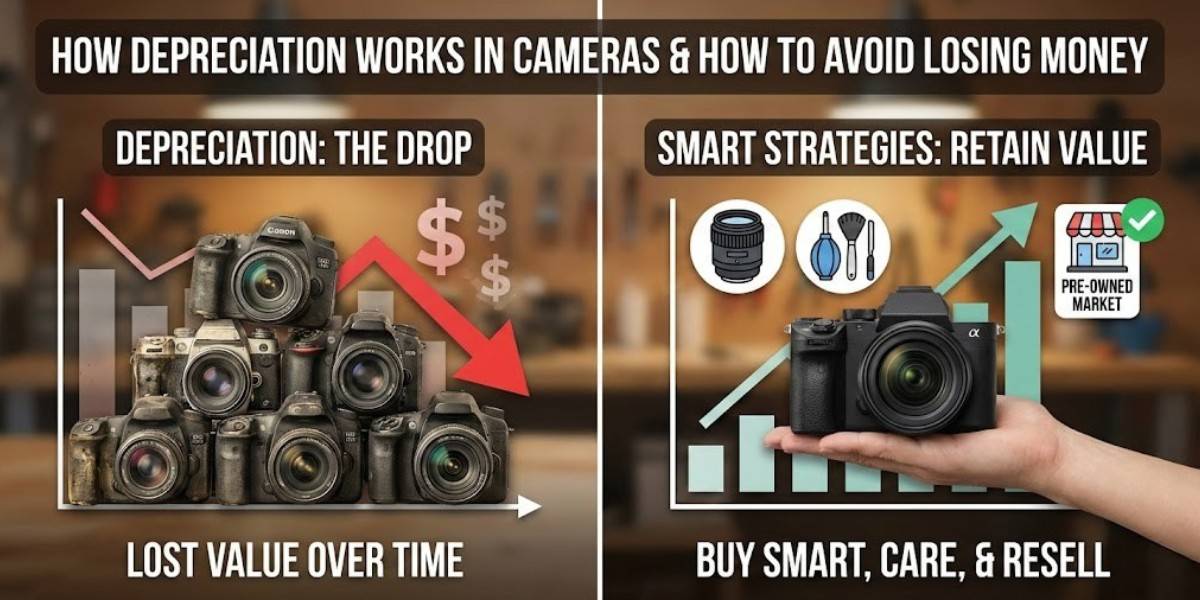
Depreciation is simply the diminution in the value for your digital camera as time passes.
Similar to smartphones and cars cameras are devalued due to:
- New model launches
- Technology-related advancements
- Wear and tear
- Demand for market services changes
This knowledge can help you plan your old camera sell decision with a sense of prudence.
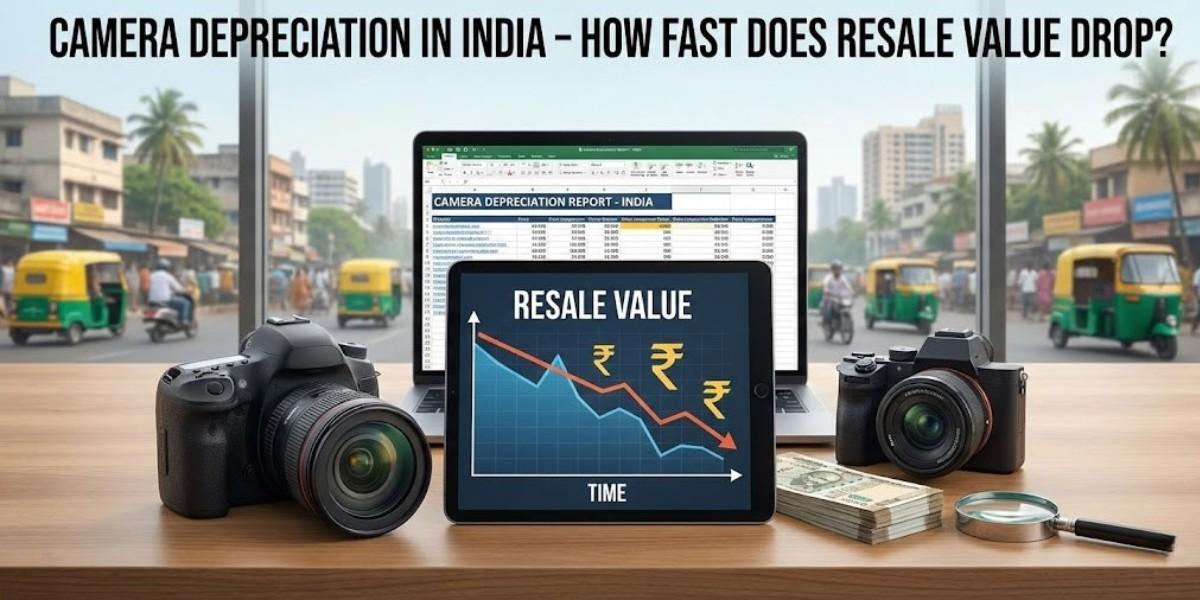
How Fast Do Cameras Depreciate in India?
Although it differs according to the brand and model however, the following general rule applies:
First Year
Cameras typically lose between 20 and 30% of their initial cost.
2-3 Years
Value may decrease by 50-65% from the initial cost.
4-5 Years
Resale value could be as low as 35-50% dependent on the condition and demand.
If you’re thinking of sell My camera, selling it earlier can result in higher returns.
DSLR vs Mirrorless Depreciation
- Beginning-level DSLRs can appreciate more quickly because of the high supply in the market for used cameras.
- Mirrorless models with premium quality usually hold their value slightly better.
- Professional video cameras are heavily dependent on the technology’s relevance.
If you decide to sell camera , knowing the market demand will help you establish realistic expectations.
Factors That Impact Camera Resale Value
Depreciation doesn’t only concern age. These factors are equally important:
1 Condition
A properly maintained device will provide a better price when you sell used camera equipment.
2 Shutter Count or Usage Hours
Lower usage improves resale appeal.
3 Market Timing
Selling prior to a model’s launches can help protect prices.
4 Accessories
Incorporating original items can increase the value of your camera’s resale.
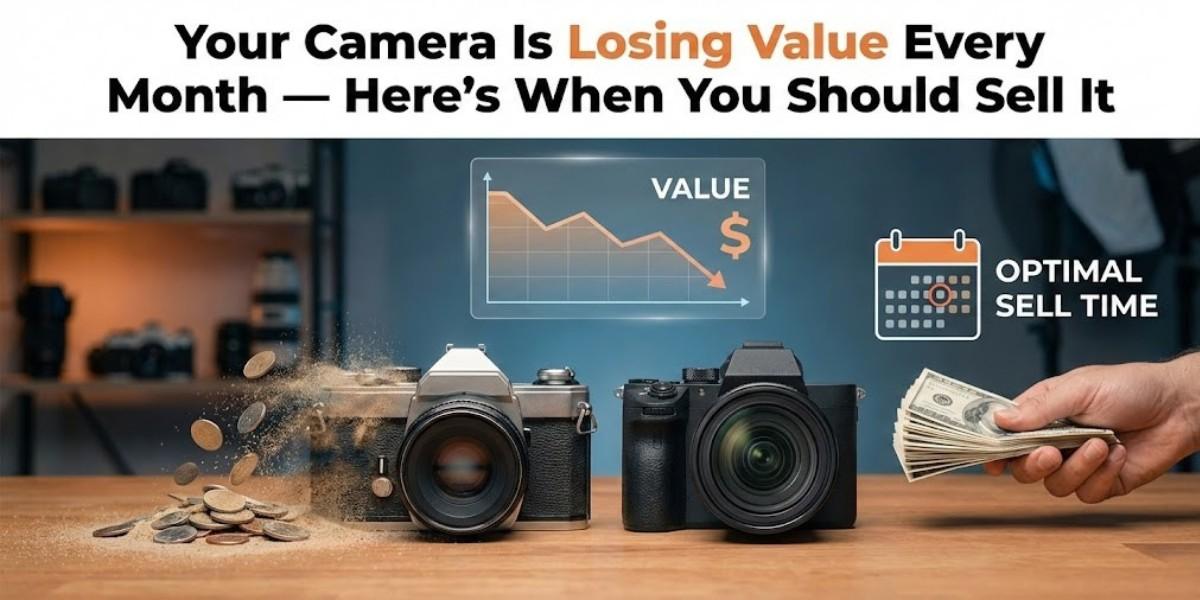
When Is the Best Time to Sell?
If you’re thinking about an upgrade, it’s typically more beneficial to sell camera equipment:
- Prior to a major release
- The season of the wedding or holiday
- If your model is sought-after, your model is
If you delay too long, it could affect the final amount of resale you can earn.
Should You Wait or Sell Now?
Many photographers put off selling their work hoping for better deals. But in most cases, depreciation continues steadily.
If you’re not currently using the camera it might be wiser to sell old camera equipment sooner instead of later to safeguard the value of your investment.
Where to Sell Safely in India?
Instead of having to negotiate with unidentified buyers structured resales services provide clear evaluations and safe transactions.
Platforms such as camerakart aid sellers in India to complete the sell used camera process, with pickup on the doorstep and safe payment.
This makes it easier to simplify the old camera sales experience.
Tips to Minimize Depreciation Impact
Before you sell my camera Take these things in your head:
- Maintain your camera in a clean state as well as maintained
- Beware of damage to the camera’s appearance
- Follow developments in the marketplace
- Buy before the market is sluggish.
Being proactive can help protect your camera resale value.
Final Thoughts
Camera depreciation is normal and inevitable, however the timing and condition of your camera are crucial in the determination of your final cost.
If you’re contemplating to sell camera equipment, consider the current market demand and don’t wait too long. Knowing the depreciation process helps you make an informed old camera sell choice and maximize the value of your investment.