The festive season is the perfect time to upgrade your photography gear. Many buyers are actively searching for second-hand cameras, making it the best opportunity to sell your used DSLR camera online at higher prices. Camerakart, a trusted camera sell platform, makes the process easy, secure, and profitable. By following a few simple steps, you can turn your old camera into extra cash while helping another photography enthusiast get a great deal.
Tips to Sell Your Old Camera
Selling your DSLR isn’t just about putting it online; presentation matters. Follow these simple tips to extend your camera’s resale value:
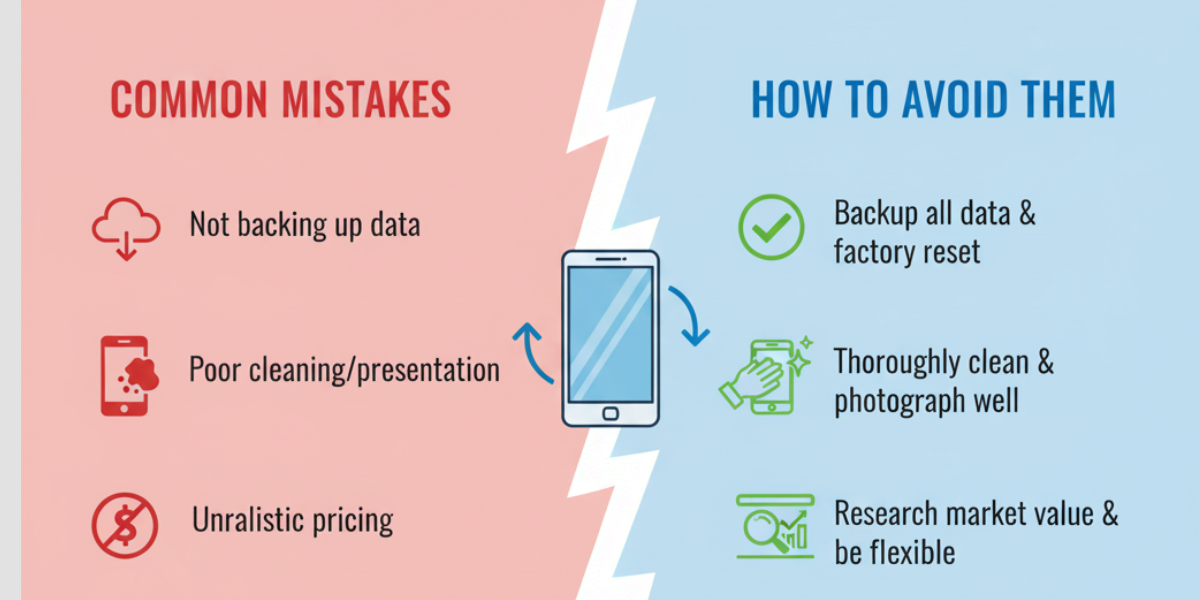
1. Clean Your Camera Before Listing
Dust, smudges, or fingerprints can make your DSLR look older than it is. A quick professional cleaning or a soft wipe can make a big difference.
2. Include Original Accessories
If you still have the original box, charger, cables, or manuals, add them to the deal. Buyers are willing to pay more for a complete package.
3. Be Honest About Condition
Transparency builds trust. If your DSLR has minor scratches or a high shutter count, mention it clearly. Genuine buyers will still purchase if the price is fair.
4. Time Your Sale During Festive Season
Festivals increase demand for cameras as people gift gadgets and upgrade their gear. Listing your DSLR during this season ensures you attract more buyers and better offers.
5. Respond Quickly to Inquiries
Fast communication shows seriousness. The quicker you respond to potential buyers, the higher your chances of closing the sale.
Selling a used camera online is one of the best ways to get a good return on your old gear while giving another photographer the chance to use it. Whether you are upgrading to a newer model or simply not using your current camera, the online marketplace offers a wide audience and competitive prices. However, to make the most out of your sale, you need the right approach, careful preparation, and safe selling practices.
Before you list your camera for sale, clean it properly, gather all its accessories, and take clear, well-lit photographs from multiple angles. A complete package including the camera body, lenses, battery, charger, and original box can help attract more buyers and justify a higher price. Writing an honest, detailed description with key specifications, condition details, and any defects also helps in building buyer trust.
In addition, choosing the right platform is crucial. Popular options include dedicated camera resale websites, online marketplaces like eBay or OLX, and photography community forums. Each has its own audience and fee structure, so choose the one that matches your selling goals.
Safe Payment and Delivery Methods
When selling a used camera online, ensuring a safe transaction is as important as finding a buyer. Fraud and scams can happen if you are not careful, so always prioritize secure payment methods and reliable delivery services.
For payments, use trusted gateways such as PayPal, Google Pay, or direct bank transfers from verified buyers. Avoid accepting personal checks or overpayment requests, as these can be signs of fraud. If selling through an online marketplace, use the platform’s official payment system for added protection.
When it comes to delivery, pack your camera carefully to prevent any damage during transit. Use bubble wrap around the body and lenses, and place them in a sturdy box with extra padding. If possible, include silica gel packs to absorb moisture during shipping. Always choose a courier service that offers tracking and insurance options so you and the buyer can monitor the package until it arrives safely.
If the buyer is local, consider meeting in a public place and accepting payment on the spot. This avoids shipping risks altogether, but always take precautions during in-person exchanges.
Mistakes to Avoid When Selling a Used Camera Online
Even experienced sellers can make errors that cost them time, money, or trust. Here are some of the most common mistakes to watch out for:
1. Overpricing the camera Many sellers set prices too high without checking current market rates. Research similar listings and adjust your price based on your camera’s condition, age, and included accessories. A realistic price attracts more interest and faster sales.
2. Poor listing photos Dark, blurry, or incomplete images can make buyers lose interest. Take bright, high-quality photos showing the camera from all sides, along with close-ups of key parts like the lens mount, screen, and buttons.
3. Incomplete or misleading descriptions Leaving out important details or hiding defects can lead to disputes later. Be upfront about scratches, dead pixels, or any functional issues — honesty builds trust and repeat buyers.
4. Ignoring buyer questions Slow or vague responses can make potential buyers look elsewhere. Answer questions clearly and provide additional photos or details if requested.
5. Skipping safety steps Accepting risky payment methods or shipping without tracking can lead to losses. Always prioritize secure transactions, even if it means slightly higher fees.Selling a used camera online doesn’t have to be complicated. By preparing your gear well, pricing it fairly, creating a transparent listing, and following safe payment and delivery methods, you can complete a smooth transaction and get the best possible value. Not only will you earn from your unused equipment, but you’ll also help another photography enthusiast capture moments with a camera you once enjoyed.
Upgrading your camera gear or switching to a mirrorless system? Selling your old DSLR is a smart way to recover some value. But finding the right platform in India to sell your used DSLR camera safely and at a fair price isn’t always easy. From trust issues to unfair pricing, many sellers face challenges. That’s where trusted platforms like Camerakart come into the picture.
Let’s explore your options, what makes a platform reliable, and why Camerakart is becoming a preferred choice for selling old DSLR cameras in India.
Understanding the Indian Market for Used DSLR Cameras
The photography community in India is growing fast. With more content creators, freelance photographers, and hobbyists entering the field, the demand for used DSLR cameras is on the rise. Beginners especially look for budget-friendly second-hand options from trusted sources.
If you’re sitting on a DSLR that’s gathering dust, now is the perfect time to sell.
But here’s the catch choosing the right platform matters. The market is flooded with online classifieds, social media groups, and marketplaces, but not all ensure safe transactions or offer you the right price.
Common Ways People Try to Sell Used Cameras
1. Online Classifieds (OLX, Quikr)
These are popular, but come with safety risks. You’ll likely deal with unverified buyers, price hagglers, and no guarantee of a secure transaction.
2. Social Media Groups
Niche photography groups exist on Facebook or WhatsApp, but selling here often takes time, and scammers are common. There’s also no pricing standard.
3. Local Camera Shops or Dealers
While convenient, local shops often quote below-market prices. Many sellers walk away disappointed by unfair deals.
Why Camerakart is a Trusted Platform for Selling Your Used DSLR
Camerakart is India’s dedicated platform for buying and selling used cameras, particularly DSLRs, mirrorless models, lenses, and accessories. What sets it apart from general marketplaces is its specialized focus on the photography community.
Here’s why Camerakart is gaining popularity:
1. Expert Evaluation and Fair Pricing
Unlike regular buyers, Camerakart understands camera condition, shutter count, model depreciation, and lens wear. They offer realistic price quotes based on actual camera value not guesswork.
2. Hassle-Free Process
You don’t have to list your item or deal with random messages. Just fill out a basic form with your camera details, and the team gets back to you with an offer.
3. Verified and Trusted Buyers
Camerakart connects your old gear with genuine buyers across India, making the process transparent and secure. Whether you’re a hobbyist or professional photographer, your sale is handled with care.
4. Pan-India Pickup and Support
From Delhi to Chennai, Camerakart offers camera pickup services in most major cities. You won’t have to leave your home to sell your DSLR.
What to Keep in Mind Before Selling
To ensure a smooth sale, consider the following tips:
Clean your camera body and len
Include original accessories like charger, strap, bo
Do you have a DSLR camera collecting dust at home? Whether you’re upgrading your gear or simply clearing out space, now is a great time to sell your used DSLR camera and turn it into quick cash. In India, many photographers and hobbyists look for secondhand cameras in good condition, making it easy for sellers to get decent value.
With platforms like Camerakart, the entire process of selling your camera has become smooth, fast, and secure no need to wait for buyers or haggle over price.
What Type of Cameras Can You Sell?
If you’re unsure whether your camera qualifies for resale, here’s a quick breakdown of what’s accepted:
DSLR Cameras
You can easily sell models from brands like Canon, Nikon, and Sony, even if they are a few years old. Entry-level DSLRs, semi-pro, and professional models are all in demand.
Mirrorless Cameras
Brands like Fujifilm, Panasonic Lumix, and Sony Alpha mirrorless cameras fetch good resale value in the market.
Action Cameras
GoPro, DJI Osmo Action, and similar compact cameras are perfect for those looking to sell quickly due to high demand among content creators.
Camera Lenses & Accessories
Many sellers forget that lenses, battery grips, flashes, and bags also hold value. You can sell these separately or along with your DSLR to increase your total payout.
Faulty Cameras (Sometimes)
Even if your camera is not working perfectly, some platforms like Camerakart accept them after inspection especially if the damage is minor.
Why Choose Camerakart to Sell Old DSLR in India?
Selling electronics online can be tricky, especially when dealing with multiple buyers. That’s where Camerakart steps in:
No middlemen – you deal directly with a trusted platform
Instant price quote based on your camera model and condition
Free pickup available in major cities
Fast payment via UPI or bank transfer
Secure process with customer support throughout the sale
Thousands of sellers across India use Camerakart to sell old DSLR in India without stress or delays.
How It Works
Selling your DSLR on Camerakart is simple:
Visit the Website and select your camera category
Enter Details like model name, condition, and accessories
Get Instant Quote with no hidden charges
Choose Pickup or Drop option
Get Paid Fast once your camera is received and verified
Frequently Asked Questions
1. What is the best place to sell my used DSLR camera in India?
Trusted online platforms like Camerakart are safe, reliable, and offer quick payouts. You can avoid the risks of local buyers or unverified dealers.
2. Can I sell my DSLR without the original box or bill?
Yes. While having the box and bill helps, you can still sell your camera without them. Just mention it honestly while filling the details.
3. How long does it take to get paid?
Most users receive payment within 24 to 48 hours after camera verification. UPI and bank transfers are available.
4. What if my DSLR is slightly damaged?
Minor issues like a scratched screen or battery problems may still be acceptable. The final quote depends on the condition.
5. Are secondhand DSLR cameras in demand?
Yes, especially among students, YouTubers, and beginners. Popular models like Canon 200D or Nikon D5300 sell quickly if priced right.
6. Is it safe to ship my camera?
If you choose a trusted platform like Camerakart, they offer free pickup and safe handling. Always pack your camera securely if shipping.
Conclusion
If you’re looking to sell your used DSLR camera fast and get paid quickly, there’s no need to visit shops or list ads repeatedly. Platforms like Camerakart offer a secure and efficient way to sell old DSLR in India without any hassle. From instant quotes to safe pickup and timely payments, the process is designed to benefit everyday sellers.
Do you have an old camera at home that you no longer use? Don’t let it sit idle. Now you can sell your old camera online and get quick cash without any trouble.
At Camerakart, we help people sell their used DSLR, mirrorless, or action cameras in a safe, simple, and fast way. Thousands of users across India trust us to sell their cameras and get the best price.
Fast Selling Process
Selling a camera with Camerakart is easy. You don’t need to search for buyers or bargain. Just follow these 4 simple steps:
Step 1: Fill in Camera Details
Go to the Camerakart website. Select your camera type DSLR, mirrorless, action camera, or lens. Add details like brand name, model, and condition.
Step 2: Get a Free Price Quote
After you submit the details, we will give you an instant price for your camera. No hidden fees, no pressure.
Step 3: Choose Pickup or Drop
If you like the price, choose free home pickup (available in many cities), or visit our drop-off location.
Step 4: Get Paid Quickly
Once we receive and check your camera, we will send the payment to you by UPI or bank transfer. You get your money quickly and safely.
Why Camerakart Is the Best Place to Sell Old Cameras
People across India are choosing Camerakart because we make camera selling easy and safe. Here’s why sellers trust us:
We are trusted by thousands of users
You get the best market value for your camera
Free pickup service in many locations
No middlemen, no cheating
You can sell any camera or lens, from brands like Canon, Nikon, Sony, Fujifilm, GoPro, and more
Our support team is friendly and helpful
FAQ
1. What cameras can I sell?
You can sell all types DSLR, mirrorless, action cameras, camcorders, and camera lenses.
2. Is it safe to sell online with Camerakart?
Yes, it’s 100% safe. Camerakart is a trusted platform. We give you secure payment and smooth service.
3. How fast will I get paid?
Once your camera is picked and checked, you get the payment in 24 to 48 hours.
4. Do I need the box or accessories?
It’s good if you have them, but not required. You can still sell the camera.
5. Can I cancel if I don’t like the offer?
Yes. The quote is free and optional. You can cancel anytime.
Conclusion
If you want to sell your old camera, Camerakart is the best platform. We give you a fast, simple, and trusted way to turn your old camera into money.
If you’re planning to upgrade your gear or simply want to clear out unused equipment, now is the perfect time to sell your camera lenses and make the most of their resale value. High-quality lenses don’t lose their worth easily, and with the rising demand for pre-owned camera gear, you can earn a great return if you choose the right platform and follow a few smart steps.
Whether you have a DSLR, mirrorless, or vintage lens, understanding where and how to sell makes all the difference. This guide will help you get the best price when selling camera lenses, especially in the Indian market.
Why Camerakart is Ideal for Selling Camera Lenses in India
When it comes to choosing the best place to sell camera lenses, Camerakart stands out for several reasons. It is a trusted platform built specifically for photographers and videographers looking to sell old cameras, lenses, and related equipment without the hassle of unsafe transactions or unreliable buyers.
1. Easy Listing Process
Camerakart simplifies the entire process. You just enter your lens details, upload a few photos, and receive a quick evaluation. No lengthy registration or complicated pricing tools. It’s all straightforward.
2. Best Value with Real-Time Market Pricing
Your lens is priced according to actual market demand. Camerakart checks the current value based on brand, model, and condition. Whether it’s a Canon 50mm prime or a Sony zoom lens, you get a competitive quote reflecting fair resale value.
3. Safe & Secure Transactions
One of the biggest worries for sellers is dealing with fake buyers or delayed payments. Camerakart eliminates these risks by handling everything from pickup to payment. Once your lens is verified, you receive instant payment directly to your account.
4. Doorstep Pickup Across India
No need to ship your lens or visit a store. Camerakart arranges doorstep pickup in major cities and towns, saving you time and ensuring safe delivery of your gear.
5. All Major Brands Accepted
From Canon, Nikon, and Sony to Fujifilm and Sigma, Camerakart buys lenses from all leading manufacturers. Whether it’s a wide-angle, telephoto, macro, or kit lens, there’s always demand in their vast buyer network.
Tips to Get the Best Value When You Sell Camera Lenses
To increase the chances of a faster and higher sale, keep these things in mind:
Clean and Inspect Before Selling
Gently clean the lens elements, remove dust, and wipe the barrel. A clean, well-maintained lens gets priced higher.
Include Accessories
Original box, caps, hood, or filter if you include them, your lens will be more attractive to buyers.
Take Clear Photos
Upload real pictures of your lens from all angles. Highlight the condition, branding, and mount.
Be Honest About Condition
Mention any scratches, fungus, or issues. It builds trust and avoids rejection at the quality check stage.
FAQ
What is the best way to sell old cameras and lenses?
The best way is through a specialized platform like Camerakart, where you get expert evaluation, secure pickup, and instant payment. Avoid unverified buyers and marketplace scams by sticking to a trusted service.
Where to sell camera lenses safely and effectively?
Camerakart is the safest and most effective way to sell camera lenses online in India. You don’t have to meet strangers or negotiate endlessly just submit, ship, and get paid.
Best place to sell used camera lens?
Without a doubt, Camerakartoffers the most reliable service for selling second-hand lenses. It combines fair pricing, free doorstep pickup, and prompt payment all from one professional platform.
If you’re passionate about adventure travel, you know how important it is to capture those fast-paced moments clearly and reliably. Whether you’re riding through rugged mountain trails, hiking scenic routes, or cruising across highways on a road trip, having the best action camera for biking, hiking, and road trips makes all the difference. Today’s action cameras are compact, durable, and powerful enough to turn your real-life experiences into cinematic-quality memories.
Let’s explore the top-rated models and understand how to pick the right gear for your next adventure.
Why You Need an Action Camera for Outdoor Adventures
Unlike regular cameras, action cameras are specifically designed to withstand extreme environments while providing sharp visuals and reliable performance. Here’s why every outdoor enthusiast needs one:
Built for Tough Conditions
Whether you’re biking through dust, hiking in the rain, or filming during rough road trips, these cameras come with waterproof and shockproof builds.
Hands-Free Recording
With helmet mounts, chest harnesses, and handlebar mounts, you can focus on your adventure while your camera does the filming.
Wide-Angle Lenses for Scenic Captures
Most action cameras offer ultra-wide lenses, perfect for panoramic mountain views or winding trails.
Crisp Video and Photo Quality
Modern action cameras can shoot in 4K and even 5K with stabilization technology. This is essential for producing smooth footage during high-motion activities.
Lightweight and Travel-Friendly
Compact enough to fit in your pocket yet powerful enough to shoot cinematic video — a traveler’s dream companion.
Best Action Cameras for Biking, Hiking, and Road Trips
Choosing the right action camera depends on your use case, budget, and shooting style. Here are the top action cameras for road trips, biking, and hiking in 2025, each handpicked based on real performance, reviews, and user experience.
GoPro Hero 12 Black
Why it stands out: Market leader for a reason. It shoots in 5.3K at 60fps and comes with HyperSmooth 6.0 for excellent image stabilization — ideal for rough bike trails or bumpy road trips.
Best for: Adventure vloggers, travel content creators, and anyone looking for cinematic-quality action footage.
Key Features: Waterproof up to 33ft, GPS support, 8:7 sensor, enhanced battery life.
DJI Osmo Action 4
Why it stands out: A serious GoPro competitor with advanced color performance and low-light capabilities. It’s great for forest hikes and sunrise or sunset shots.
Best for: Hikers and solo travelers looking for clarity and true-to-life footage.
Why it stands out: This camera brings 360-degree shooting into your adventure story. Easily reframe shots post-recording without needing to reposition the camera.
Best for: Scenic road trips and creators who want immersive storytelling.
Why it stands out: A budget-friendly 4K action camera with decent stabilization and waterproof capabilities perfect for casual road trips or biking on a budget.
Best for: Entry-level users and budget-conscious buyers.
Why it stands out: Surprisingly powerful for its price, the Brave 8 offers 4K video, dual-screen display, and enhanced audio.
Best for: Bike riders and trekkers who want value without compromise.
Key Features: SuperSmooth stabilization, 170° field of view, voice control, remote access.
Tips to Shoot Better Travel Videos with Action Cameras
Even the best action camera won’t deliver great results without proper technique. Here are some expert-tested tips for capturing stunning outdoor videos:
Pack the Right Accessories
Use chest or helmet mounts for biking.
Bring extra batteries especially for long hikes or road trips.
Invest in ND filters for bright daylight shoots.
Use the Right Settings
For biking: Use 4K/60fps with stabilization on to capture motion smoothly.
For hiking: Use time-lapse or hyper-lapse modes for long trails.
For road trips: Wide-angle mode gives the best dashboard view.
Clean Your Lens Often
Dust, water splashes, or fingerprints can ruin great footage. Keep a microfiber cloth handy.
Manage Your Battery Smartly
Avoid overusing Wi-Fi or live preview if battery is low. Carry a power bank for emergency charging during road trips.
Don’t Overedit
Let the natural feel of your adventure shine. Simple cuts, ambient sound, and smooth transitions are often more authentic than overdone effects.
FAQ
Which is the best action camera for biking in 2025?
The GoPro Hero 12 Black offers top-notch stabilization and durability, making it ideal for rough biking trails. If you’re on a budget, the AKASO Brave 8is a solid choice.
Are action cameras good for long road trips?
Yes, especially models like the Insta360 X4, which allow 360-degree shooting to capture both scenery and in-car moments without repositioning.
Can I use an action camera for underwater hiking or river crossings?
Absolutely. Cameras like the GoPro Hero 12 and DJI Osmo Action 4 are waterproof without housing and perfect for wet environments.
What storage do I need for action camera travel videos?
Always use Class 10 or UHS-I/UHS-II microSD cards, preferably 128GB or higher for long trips and 4K shooting.
Where can I buy or sell action cameras online?
Cameracart offers a simple platform to buy or sell action cameras, whether new or used, with great value and secure delivery.
Final Thoughts: Choose the Right Action Camera for Your Adventure
The best action cameras for road trips, biking, and hiking are those that balance durability, video quality, and ease of use. Whether you’re capturing a sunrise hike, a bumpy bike ride, or scenic drives through the mountains, the right gear will turn your memories into shareable moments.
At Cameracart, we help you find the perfect action camera for your journey or sell your old one for the best price. Explore, record, and relive your adventures with gear that travels as far as you do.
Choosing the right camera can feel overwhelming. With so many options, features, and price ranges, finding a model that truly fits your needs requires clarity. Whether you’re a beginner aiming to capture family moments, a traveler documenting your journey, or someone diving into professional photography, this guide will help you make the right decision. Let’s break down the essentials and make camera buying simple and practical.
Understand Your Photography Goals
Before comparing camera specs or reading reviews, understand what you plan to do with your camera. Are you capturing still photos or recording videos? Will you be using it indoors, outdoors, or while traveling?
If you’re into vlogging, video features and audio input options matter. For wildlife or sports, fast autofocus and zoom lenses are essential. Portrait and product photographers need high image resolution and depth of field control. By identifying your purpose, you narrow down the camera type and features that align with your goals.
Types of Cameras Available
Choosing the right type of camera starts with knowing your skill level and shooting needs. Here’s a quick breakdown of common camera types:
Compact Cameras (Point-and-Shoot): Lightweight and easy to use. Ideal for casual photography and travel. Limited manual controls but convenient.
DSLR Cameras: Known for excellent image quality, optical viewfinders, and interchangeable lenses. Great for photography enthusiasts and professionals.
Mirrorless Cameras: Offer similar image quality to DSLRs but in a lighter, more compact body. Fast-growing segment with lots of lens options.
Bridge Cameras: A middle-ground between compact and DSLR cameras. Fixed zoom lens with manual settings for more control.
Action Cameras: Designed for adventure and motion. Small, rugged, and often waterproof perfect for outdoor activities.
Each type serves different needs, so match the camera form with your shooting habits.
Key Features
When choosing a camera, don’t be swayed by just megapixel count. Here are the real features that matter:
Sensor Size: Bigger sensors mean better image quality. Full-frame sensors outperform APS-C and Micro Four Thirds in detail and low-light performance.
ISO Range: A wider ISO range means better performance in various lighting conditions. Cameras with good low-light sensitivity are ideal for night or indoor photography.
Autofocus System: Fast and accurate autofocus is critical for capturing sharp images, especially of moving subjects.
Video Capability: For content creators, look for 4K or Full HD recording, with options for external microphones and image stabilization.
Image Stabilization: Helps reduce blur from shaky hands especially useful in low-light or while shooting handheld video.
Consider Lens Compatibility and Expandability
One of the biggest benefits of DSLR and mirrorless systems is their ability to switch lenses. Whether you want to shoot macro, wide-angle, portraits, or wildlife, having the right lens makes all the difference.
Choose a camera that offers a growing ecosystem. Canon, Sony, Nikon, and Fujifilm all offer diverse lens libraries. Investing in a system with good lens support ensures you can expand your setup over time.
Also, check for compatibility with third-party lenses, adapters, and flash systems if you plan to customize your kit further.
Size, Weight, and Build Quality
Cameras come in all shapes and sizes. For travel or daily use, a lightweight camera that fits comfortably in your hand or bag is ideal.
If you shoot in harsh conditions, consider a weather-sealed body. Ergonomics also matter a camera that feels awkward to hold or has poorly placed buttons can hinder your shooting experience.
Try handling different models in a store to see what feels right before buying.
Battery Life and Storage
Battery life can vary greatly between camera models. DSLRs typically last longer on a single charge, while mirrorless cameras may require spare batteries for extended use.
Check if the camera supports USB charging or removable batteries. For storage, dual memory card slots are a bonus for professionals who need backups or extra capacity.
Also, consider memory card types and speeds if you’re recording 4K video or shooting in burst mode.
Budget Planning
Buying a camera is an investment. Set a realistic budget not just for the body, but also for accessories like lenses, memory cards, extra batteries, tripods, and carrying cases.
If you’re a beginner, consider buying an entry-level model with a kit lens, then upgrade as you grow. For experienced users, investing in a mid-range or pro-level camera with long-term value makes more sense.
Buying second-hand from reliable sources is another way to save money, especially if you’re upgrading your gear.
Test Before You Buy
Always test a camera before making the final decision. Visit a store, try holding it, navigating the menu, and checking responsiveness.
You can also rent a camera for a few days to experience how it performs in real situations. This hands-on approach helps avoid regrets and ensures you’re comfortable with your new gear.
Also, read real user reviews and check sample photos online. Reviews from photographers who use the camera in a similar context can offer valuable insight.
Conclusion
Choosing the best camera doesn’t have to be confusing. Start with your photography needs, learn about the different types, compare meaningful features, and make sure it feels right in your hand. Don’t be dazzled by specs focus on practicality, usability, and long-term value.
Whether you’re capturing everyday memories or working towards professional goals, the best camera is the one that suits your style and purpose. Take your time, plan your investment wisely, and enjoy the art of photography with confidence.
Selling your old camera can be a smart move whether you’re upgrading to a newer model, clearing out unused gear, or simply looking to recover some investment. But knowing where to sell your old camera and how to do it the right way can make a big difference in what you earn and how smoothly the process goes. As a camera tech expert who deals with photographers, hobbyists, and resellers every day, I’ve broken down the best ways to sell your used camera gear without stress. Let’s walk you through the steps to sell your camera easily, get a fair price, and avoid common mistakes.
Things to Check Before You Sell
Before you rush to list your camera online or hand it over to a buyer, take a moment to prepare. A little effort upfront can increase your chances of a faster sale and better offer.
Check the Camera Condition Inspect your camera thoroughly. Look for scratches on the lens, dead pixels in the screen, loose buttons, or signs of wear. A clean, well-maintained camera always sells faster.
Body: Wipe down dust, smudges, and fingerprints.
Lens: Ensure there’s no fungus or scratches.
Sensor: If you’ve done mirrorless or DSLR shooting, check for dirt on the sensor.
Battery life: A strong battery increases your camera’s resale value.
Backup and Remove Memory Don’t forget to back up your photos and videos. Then remove your SD card or CF card and reset the device to factory settings. This protects your personal data and makes the camera ready for the next owner.
Organize Accessories and Packaging If you have the original box, lens cap, manuals, and charger, include them. Buyers are more likely to trust a complete package. Even a camera strap or unused tripod can sweeten the deal.
Know the Market Price Research current selling prices for your model. Compare rates on used camera platforms. Be honest with yourself older DSLRs or entry-level mirrorless models may not fetch premium prices, but they still have a strong buyer base in India.
Online Platforms to Sell Your Camera
Online selling is the fastest and often most profitable way to reach potential buyers. Here are some of the most trusted online platforms to sell your camera in India:
CameraKart CameraKart is a specialized platform for used photography gear. It focuses on cameras, lenses, and accessories. What makes it stand out is its trust factor it offers secure payment options and buyer-seller protection. It’s ideal for serious hobbyists or professionals selling high-end gear.
OLX India OLX is one of the most popular online classifieds in India. You can list your used camera for free, set your own price, and connect directly with buyers in your city. Just make sure to deal with verified users and prefer in-person meetings in public spaces. Keyword match: Used camera for sale near me, second-hand DSLR OLX
Quikr Similar to OLX, Quikr allows free listings and often attracts buyers from metro cities. You can negotiate directly and even offer bundle deals with your old tripod, bag, or extra lens. Keyword match: Sell old camera online India, second-hand mirrorless camera sale
Facebook Marketplace If you want to connect with people in your area, Facebook Marketplace is a simple, fast, and informal option. Just post a few images, add details, and wait for inquiries. Make sure to reply promptly and meet buyers only after confirming genuine interest.
Amazon and Flipkart Exchange Programs For those upgrading, Amazon Renewed or Flipkart exchange offers can be a practical option. While these platforms often offer lower returns than direct sales, they’re fast and reliable. Great if you’re buying a new camera and want a hassle-free trade-in.
Cashify or Budli These tech platforms offer instant quotes for electronic items, including cameras. You just select the brand and model, get a price estimate, and if you agree, they arrange a pickup. Ideal for people who prefer convenience over negotiating.
Final Checklist Before Handover
Once you’ve found a buyer and agreed on a price, don’t rush the handover. Make sure you tick off the following items for a smooth and professional transaction.
Confirm Payment Mode Agree in advance on the payment method cash, UPI, or bank transfer. For online deals, never ship before full payment is received. It’s always best to meet in person or use platforms with buyer-seller protection.
Provide Accessories and Add-ons A buyer will be happy to receive the full set charger, battery, cables, or any extra accessories you promised. If you’re throwing in a memory card, make sure it’s formatted.
Share Basic Usage Instructions Even if the buyer is experienced, sharing a few tips like custom settings, lens compatibility, or camera quirks can build trust and improve their post-sale experience.
Reset to Factory Settings Before you say goodbye to your old camera, reset everything. Delete personal data, Wi-Fi credentials, paired devices, and saved settings.
Pack Properly (for Shipping) If you’re sending the camera through courier, wrap it securely using bubble wrap and put it in a solid box. Mark the package as “fragile” to ensure careful handling.
Choosing a camera is more than picking the most expensive model or the one trending online. Whether you’re a beginner, hobbyist, or professional photographer, the best camera for you depends on your goals, style, and budget. In this guide, we’ll walk you through essential factors to consider before buying, helping you make a confident and informed choice.
Understand Your Photography Purpose
Before stepping into technical comparisons, clarify your purpose. Ask yourself: Why do I need a camera?
Beginner Photographer: You might need a user-friendly device with auto modes and minimal manual settings.
Travel Enthusiast: Look for lightweight, compact cameras with good battery life and zoom.
Content Creator or Vlogger: Prioritize video capabilities, audio input, and screen articulation.
Professional Photographer: You’ll need a camera with manual controls, large sensor size, fast autofocus, and high lens compatibility.
Your use case drives every decision ahead. A camera perfect for wildlife photography may not be ideal for studio portraits or YouTube videos. So, begin by identifying your primary usage and expectations.
Types of Cameras Available
Each type of camera serves a specific user group. Here’s a breakdown of the major types and their best applications.
Point-and-Shoot Cameras
These are compact, pocket-sized cameras ideal for casual photography. They have fixed lenses and automatic settings, making them a solid choice for travel or beginners. However, they offer limited control over settings and lower image quality compared to other types.
DSLRs (Digital Single-Lens Reflex Cameras)
Known for professional-quality images, DSLRs have interchangeable lenses and advanced manual controls. They’re ideal for professionals and serious hobbyists. They’re bulkier but offer excellent battery life, optical viewfinders, and adaptability for various shooting conditions.
Mirrorless Cameras
A modern alternative to DSLRs, mirrorless cameras are lighter and more compact. They also support interchangeable lenses and offer advanced features like 4K video, electronic viewfinders, and faster autofocus systems. Great for both photo and video professionals.
Action Cameras
If your photography involves adventure, underwater shoots, or extreme sports, action cameras like GoPro offer rugged builds, waterproofing, and wide-angle video features.
Bridge Cameras
These fill the gap between point-and-shoot and DSLR cameras. They often come with long zoom lenses and manual controls, offering flexibility without needing extra lenses.
360-Degree Cameras
For immersive content and virtual reality projects, 360 cameras are gaining popularity. They capture a full field of view and are great for social media or virtual tours.
Key Features
Knowing which camera features match your needs is crucial. Here’s what to compare:
1. Sensor Size and Megapixels
A larger sensor generally means better image quality, especially in low light. While megapixels are important, sensor size and type (Full-frame, APS-C, Micro Four Thirds) have a greater impact.
2. Autofocus System
Fast and accurate autofocus is essential, especially for sports, wildlife, or video. Look for phase-detection autofocus systems in DSLRs or hybrid autofocus in mirrorless models.
3. ISO Range
A higher ISO range gives better performance in low-light conditions. But also check how well the camera handles noise at high ISO levels.
4. Video Capabilities
If video matters to you, look for 4K resolution, frame rate options (30fps, 60fps), and microphone input. Some mirrorless cameras offer advanced video features suited for creators.
5. Battery Life
DSLRs typically last longer on a single charge compared to mirrorless or compact cameras. If you shoot long sessions or travel frequently, battery life is a major factor.
6. Build Quality and Weather Sealing
If you’re shooting in tough environments, consider models with robust construction and weather-resistant bodies.
7. Connectivity Options
Modern cameras support Wi-Fi, Bluetooth, or NFC for fast file transfers to smartphones or cloud storage. A must-have for social media users.
Budget Considerations
Your budget should reflect your actual needs, not just brand popularity. Here’s how to approach it:
Entry-Level (Under ₹40,000 / $500)
Best for casual users or beginners. Look for point-and-shoots or entry-level DSLRs and mirrorless cameras. These offer ease of use and decent image quality.
Mid-Range (₹40,000–₹1,00,000 / $500–$1200)
Ideal for enthusiasts and semi-professionals. Expect better sensors, more manual controls, and support for accessories like external flashes or microphones.
Professional (₹1,00,000 and above / $1200+)
Full-frame DSLRs or mirrorless cameras in this range are designed for high-end work, including commercial shoots, filmmaking, and studio photography.
Tip: Don’t spend your entire budget on the body. Factor in lenses, memory cards, tripod, filters, and camera bag all essential for a complete setup.
Reviews and User Feedback
Before finalizing your purchase, check real-world user experiences.
1. Customer Reviews
Online stores offer verified buyer reviews that highlight pros and cons you may not find in product descriptions.
2. YouTube Reviews
Tech reviewers provide hands-on demonstrations, comparisons, and performance tests under various lighting conditions. Look for unbiased creators who cover both strengths and limitations.
3. Photography Forums
Communities like DPReview, Reddit photography subs, and camera-specific forums can offer practical advice and sample images.
Reading reviews ensures you’re not just buying based on brand hype but making a decision backed by community insight and field tests.
Final Thoughts
Choosing the best camera for your needs doesn’t mean picking the most advanced model it means finding a camera that complements your goals, skills, and shooting style. Whether you want to capture vacation memories, start a photography career, or build content for digital platforms, the right camera is the one that feels right in your hands and works in your environment.
Take your time comparing types, features, and budget options. Visit a local store if possible to test how a camera feels. And always remember: The best camera is the one that helps you create the images you envision.